
How To Properly Clean A Deck (Wood & Composite)
Cleaning your deck should be part of your weekly home routine to remove dirt, debris, and any organic material that may have accumulated. Your deck-cleaning habits can help reduce the risk of mold, mildew, and algae growth. Whether wood or composite, your outdoor deck deserves the same care you give to your indoor spaces. Let us explore more deck-cleaning tips to ensure your deck receives the care it needs.
1. Choosing the Right Cleaners
Choosing the right cleaner for your deck depends on your deck materials. Composite decks are generally less conservative in their cleaning requirements than wooden decks, which are more delicate. Although wooden decks are more sensitive than composite decks, both types require caution when cleaning to prevent damage. Here is the step-by-step cleaning routine for wooden and composite decks:
A. For wooden decks
A.1. Clear off furniture, plants, and other items from your deck. Sweep or brush off debris from your deck surfaces.
A.2. Inspect your decks for any signs of damage, such as splintered wood, wood rot, or loose railings.
A.3. Using a mild soap or Ph-neutral cleaner and water, wash your wooden deck to remove dust, dirt, and grease.
A.4. Rinse it off with low-pressure water to remove the soap and cleaner without damaging the wooden surface.
A.5. Allow your washed wooden deck to completely dry for 24 to 48 hours.
A.6. Apply wood stain as needed to protect your deck from moisture and UV damage.
A.7. Re-inspect and repeat the cycle yearly or as needed to maintain the appearance of your wooden deck and extend its life span.
B. For composite decks
B.1. Like a wooden deck, sweep or brush off loose dirt and debris from your composite deck surfaces.
B.2. Deep clean your deck surfaces by power washing or using a garden hose.
B.3. Remove stains, grease, and dirt from your deck surfaces using mild soap and Ph-neutral cleaner, especially during fall and spring.
B.4. Rinse it off with water using a garden hose.
B.5. Inspect gaps and fasteners for any signs of damage or loose connections. Re-seal gaps or re-tighten fasteners as needed.
B.6. Check the boards and other deck parts, including the under-deck, for any signs of mold growth. Remove and replace damaged parts as necessary.
B.7. Stay updated with the latest maintenance care tips from your composite deck manufacturer to ensure that proper care is given.
2. Homemade vs. Commercial Cleaning Solutions
Homemade deck cleaners are generally milder and safer to use because they contain non-toxic ingredients. However, they may be less powerful than commercial cleaners, making them the best choice for light deck cleaning. Here are some combinations to make your own homemade cleaner:
A. For gentler solutions, use ammonia-free dish soap and warm water.
B. For cleaning stains and mildew on wood, you can mix water, dish soap, rubbing alcohol, and oxygen bleach.
C. For cleaning composite decks, combining baking soda and vinegar will do the trick.
Commercial cleaners are best for deep cleaning of heavy stains and grime. They are also recommended for weathering decks. They usually contain sodium carbonate. Follow the manufacturer’s instructions to ensure safe and effective use.
Whether homemade or commercial cleaner, wear protective gloves and eye protection for your safety. For your deck’s safety, you can also test a small portion of your deck to see how it reacts with the cleaner you will use to check for any sign of discoloration or damage.
3. Soft Washing vs. Pressure Washing
Soft washing uses low-pressure water (approximately 500 psi) to clean decks. You can use a garden hose and mild detergent to kill mold and mildew. Soft washing is best for wooden decks with delicate wood fibers, extending your deck’s life with regular soft washing over the years.
Pressure washing uses highly pressurized water (approximately 4,000 psi) to remove tough dirt and deep grime from your deck. It is usually used in preparing your deck surfaces for painting or staining. Pressure washing is ideal for concrete decks and not for wooden decks, as it can easily etch, splinter, or damage wood.
4. Preventing Mold and Algae Growth
Even the best-built decks can be prone to mold and algae growth when exposed to moisture. Rain, shade, and organic debris can contribute to its surface growth on your deck. When the mold and algae do not penetrate deep into the wood fibers, it can be a cosmetic problem only. However, when dark spots appear, it can be a sign of a more serious problem, as rot may be weakening the structure underneath. Minor deck damage, such as mold spots, may seem harmless at first, but it can lead to bigger problems, including structural issues. Inspect your deck for any early signs of damage and repair them immediately. To prevent mold and algae growth on your deck, consider the following tips:
A. Trim nearby trees and shrubs from your deck to improve sunlight and airflow. Decks shaded by trees or buildings often remain damp longer due to limited sunlight.
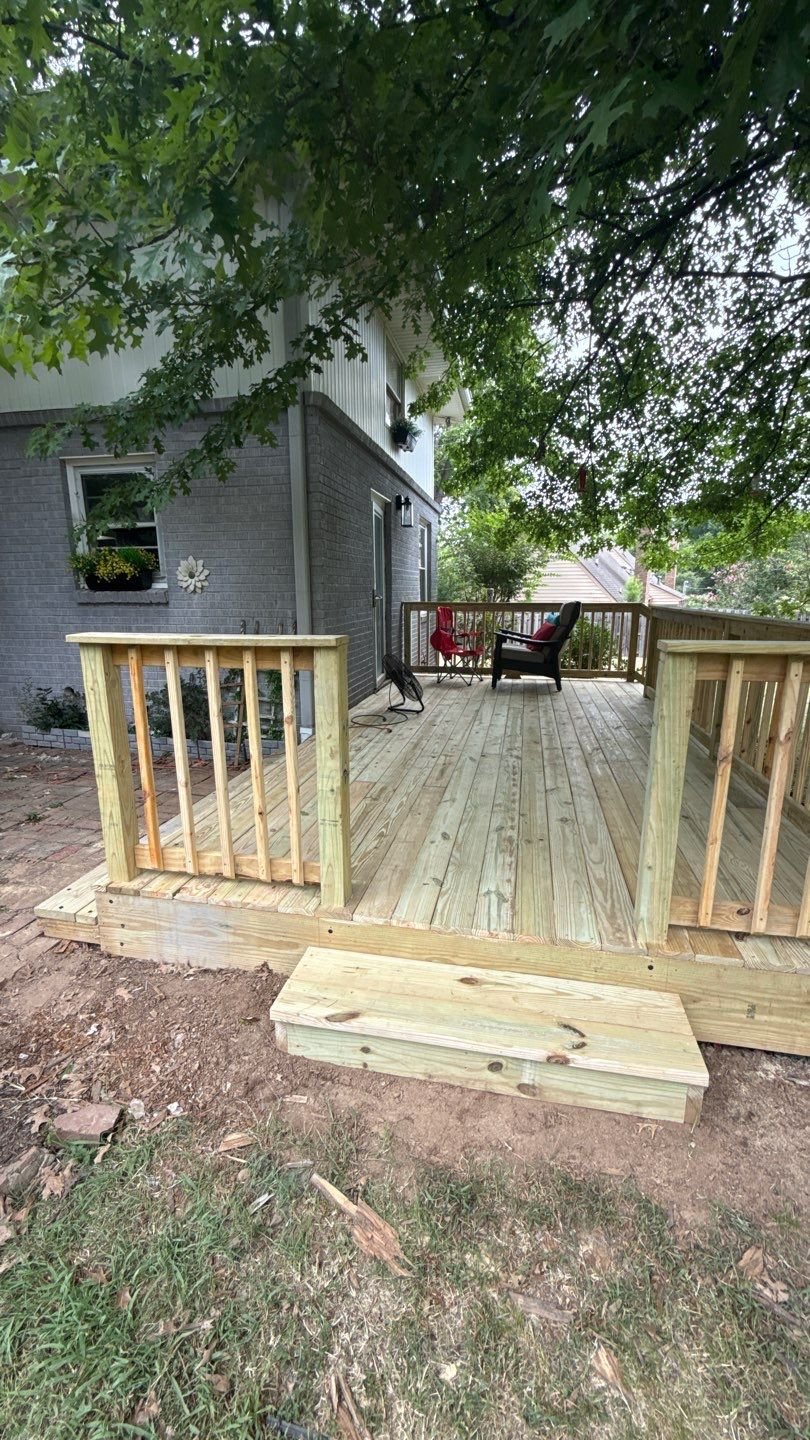
Fig. 1. Wooden deck with a tree shade which can block sunlight
B. Falling leaves can become food for algae and mold. Consistent leaf removal, especially during fall, can help prevent damage caused by damp, decaying leaves that can also trap moisture on your deck surface.
C. Elevate furniture mats and move planters every wet season to check and prevent moisture build-up, which can be a breeding ground for mold and algae growth. Keep your deck protected and up to date as the seasons change.
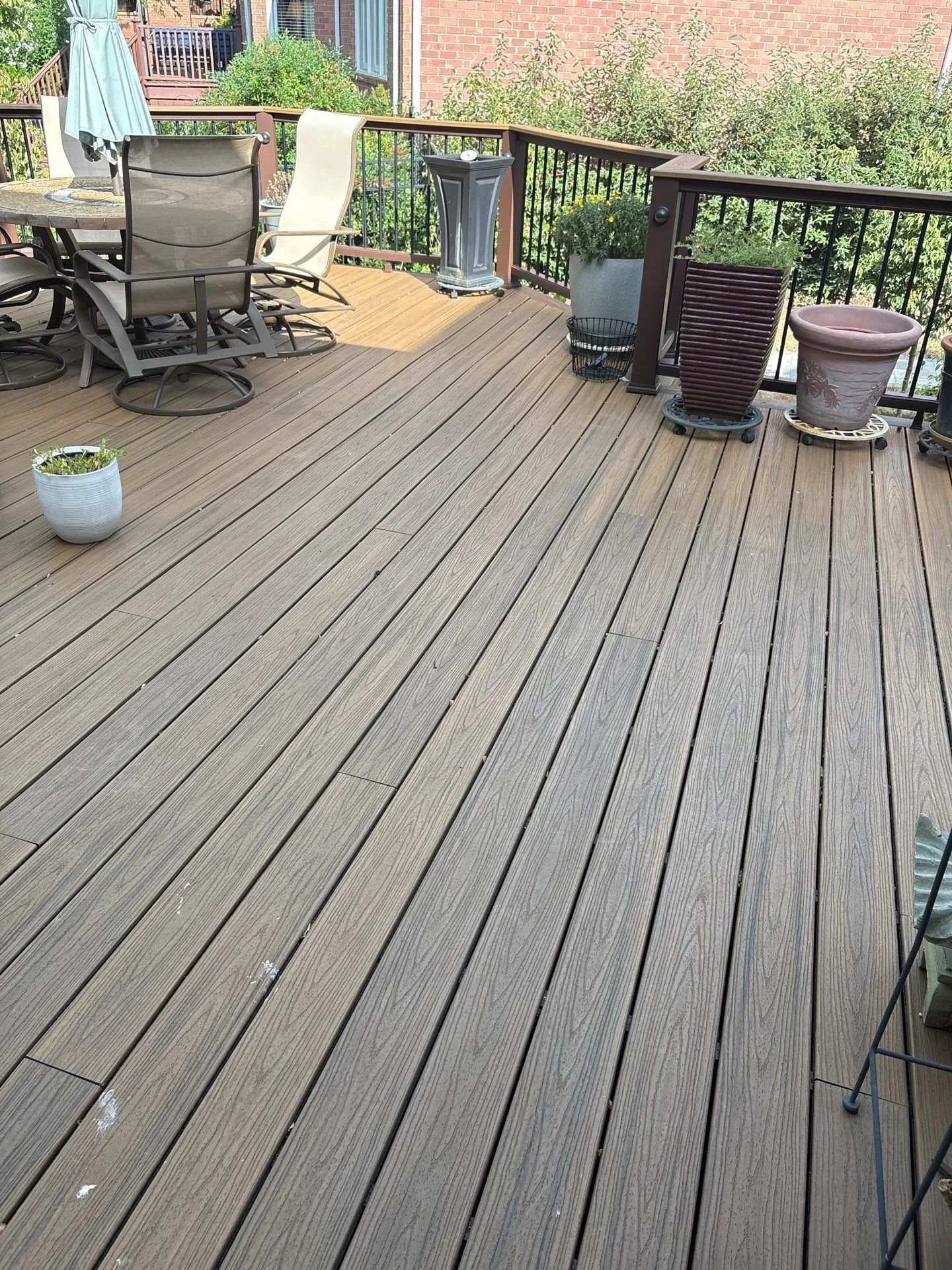
Fig. 2. Deck with planters where moisture can be trapped during wet seasons
D. Safely remove soft spots for growing mold and algae on your deck using mild soap or Ph-neutral cleaners, without damaging its surface.
E. Ensure that your deck boards have small gaps for drainage and airflow to prevent trapped moisture on their surface. Regular cleaning keeps these gaps free of accumulated dust and debris that can clog your deck’s drainage.
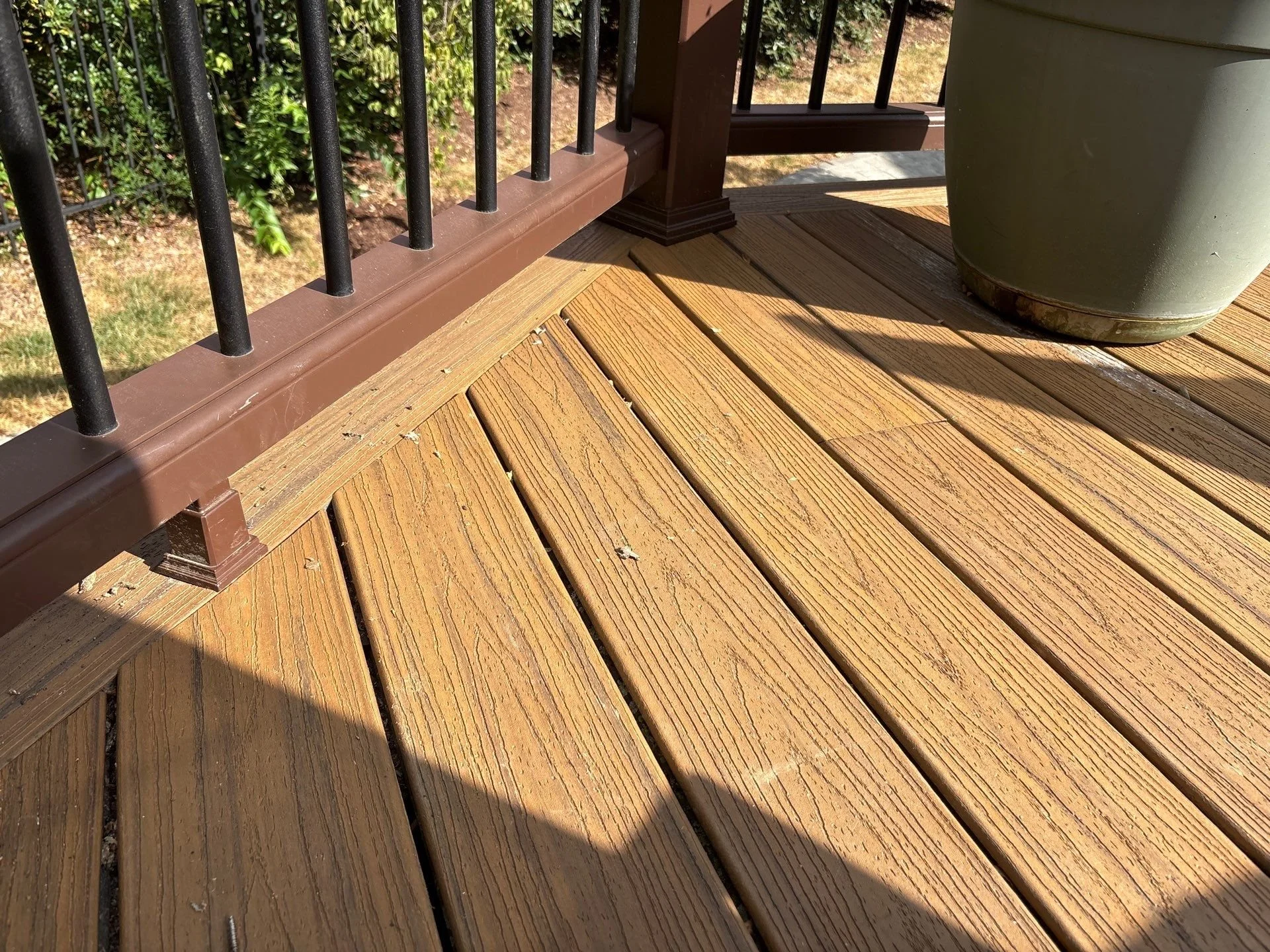
Fig. 3. Deck gaps with small debris clogged
F. Check the boards and other deck parts, including the under-deck, for any signs of mold growth. Press on suspicious spots with a screwdriver to check if the fibers of your wooden deck are breaking down, a sign of a more serious problem than molds and algae on your deck surface. Remove and replace damaged parts as necessary.
G. Your outdoor deck is prone to water damage, which can cause mold and algae growth if not properly protected. Re-seal and re-stain your deck every 1-3 years or as needed.
5. Drying and Prepping Before Sealing
Your deck can become unappealing to look at without a sealant. Sealants keep your deck in optimal condition longer. The best time to seal your wooden deck is when you have sufficient time and dry weather to complete the application. If rain, dew, or frost is expected within three days, it is best not to start the sealing process. Humidity can significantly affect the quality of the sealant applied to your deck. Here are some tips before sealing your deck:
A. Remove all loose dirt and debris on your deck using a broom or leaf blower before applying sealant. Ensure that all dirt and debris have been removed to prepare your deck surface for sealing
B. Use a brush with softer bristles, a low-pressure washer, and Ph-neutral cleaners to clean your deck while protecting its surfaces from potential damage. You can gently scrub tough spots or stains with a soft-bristle brush to ensure your sealant adheres directly to your deck surface.
C. Sand the surface of your deck to smooth out any uneven areas and ensure the sealant bonds properly. With the right surface preparation, sealing your deck can effectively last longer and extend your deck’s lifespan.
D. Check the weather forecast before starting to seal your deck. It is expected to remain dry within the next 24-48 hours. The weather and surface temperatures should be maintained between 10 °C and 32 °C for 24 hours to achieve optimal results. Drying time and temperature may vary depending on the type of sealant used.
E. Apply the sealant based on the manufacturer’s instructions. Reapply a fresh coat of sealant every few years to keep your deck beautiful and functional for years to come.
You can enjoy your outdoor space again with a professional deck cleaning. Modern Handymen & Remodel has a team of deck experts that can help you ensure that your deck remains damage-free after cleaning. Protect your investment with expert deck cleaning. Schedule a professional cleaning service with us at 615-200-8071. A cleaner deck starts with one click—book your cleaning today!
