
Seasonal Deck Maintenance Checklist
Tennessee is known for its humid subtropical climate. It is complete with all four seasons, which makes deck maintenance a challenge for homeowners. The changing seasons are inevitable and must be considered in preparing for seasonal deck maintenance. Let us explore more of the care tips we can include in preparing for our seasonal deck maintenance checklist
1. Spring: Post-winter Inspection & Deep Cleaning
Spring is a pleasant season from March to May, in which we can schedule our post-winter inspection and deep cleaning. Spring in Tennessee offers the best weather for refreshing your outdoor spaces. Inspect for early signs of deck damage. Check for warning signs that make your deck unsafe.
Loose Railings
Loose railings not only pose a risk for falls and injuries but can also indicate underlying structural problems that cause your railing supports to move.
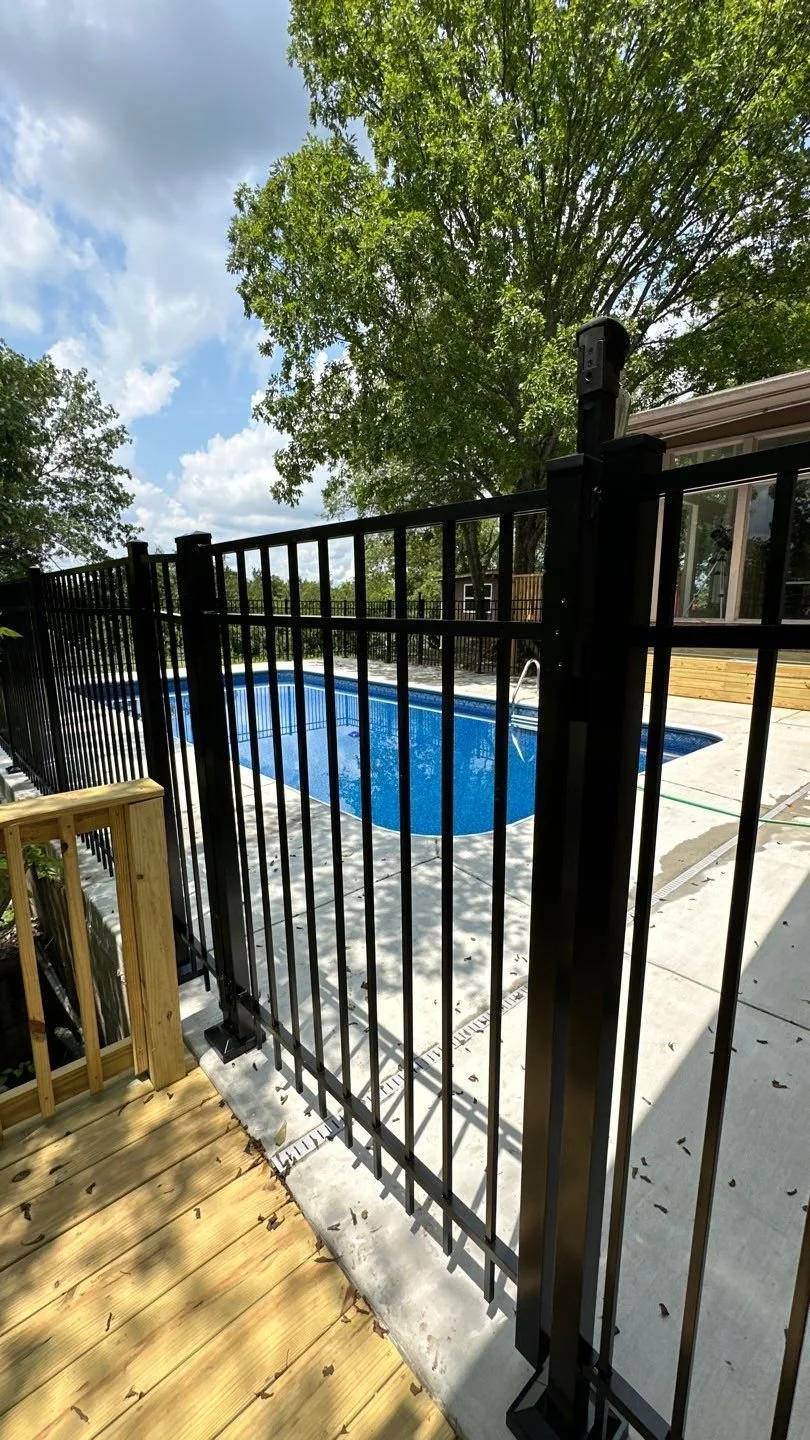
Fig. 1. A deck railing in Nashville, Tenneessee
Cracked Boards
When decks are exposed to changes in humidity and temperature, certain deck materials, like wooden boards, expand and contract, which can lead to cracking over time. UV rays can also cause the wood to dry out and become brittle, making your boards susceptible to cracking.
Wood Rot
Moisture and water damage can cause your wood deck parts to rot. It can appear discolored and gray and may even be breaking apart in places, indicating weakened or rotted wood. If the wood feels spongy and you can easily press an inch nail or screwdriver into the lumber, this may indicate wood rot. Rotted wood weakens the entire deck structure, exposing you to higher risks of deck collapse and accidents.
Molds & Mildew
Exposure to humidity and moisture can make your outdoor deck susceptible to mold and mildew. Molds and mildew tend to grow on the damp surfaces of your deck over time. They break down the integrity of your deck, making it vulnerable to chips, cracks, crumbling, and other damage.
Rusted Fasteners & Hardware
Water can cause wood to dry rot and metal to rust. When wet, fasteners and other metal hardware, such as nails and screws, start to rust. Decks near the beach are also prone to corrosion due to daily exposure to sea spray (saltwater). Corrosion of the metal fasteners and hardware is a visual warning that critical structural components of your deck may be unsafe. Rust compromises the integrity of the metal, potentially causing your deck connections to fail. Failure of the rusty metal connections can cause your deck to collapse. Any rusting hardware must be replaced.
2. Summer: UV Protection & Light Maintenance
A. UV Protection
Protect your deck from the harsh summer sun by applying a UV-protective stain or sealant to help preserve its natural beauty. Reapply protective coating on the deck as needed during this dry season. UV protection prevents your deck from drying, fading, cracking, and warping due to excessive heat exposure. You can add shade sails, umbrellas, or pergolas to your deck to reduce direct sunlight and make your outdoor experience more comfortable. Ensure proper airflow by using outdoor fans to minimize heat waves and reduce heat buildup on your deck.
B. Light Maintenance
Summer can be a good time to check your deck’s lighting fixtures, such as lamp posts, string lights, and recessed lighting. Check for any signs of water intrusion or corrosion during this dry season, as the water’s possible point of entry can be easier to locate. Replace damaged bulbs/fixtures before fall or winter to help ensure that your deck is safe and functional for your summer enjoyment. Hire a qualified electrician or contractor to ensure your deck lighting complies with local building codes and safety standards.
3. Fall: Leaf Removal & Moisture Control
A. Leaf Removal
Expect excessive leaves on your deck in the fall. Consistent leaf removal can help prevent damage caused by damp, decaying leaves that trap moisture on your deck surface. You can use a leaf blower or a soft-bristled broom to clear the leaves. Prevent clogging in the gutters of your covered decks by keeping them free of accumulated leaves.
B. Moisture Control
To prevent moisture buildup on your deck, preparing it before fall is essential. Here are some of the tasks that help keep your deck surface dry:
Remove grime on your deck surface by deep cleaning. Grime absorbs and retains moisture from the humid air, which can lead to mold growth on your deck.
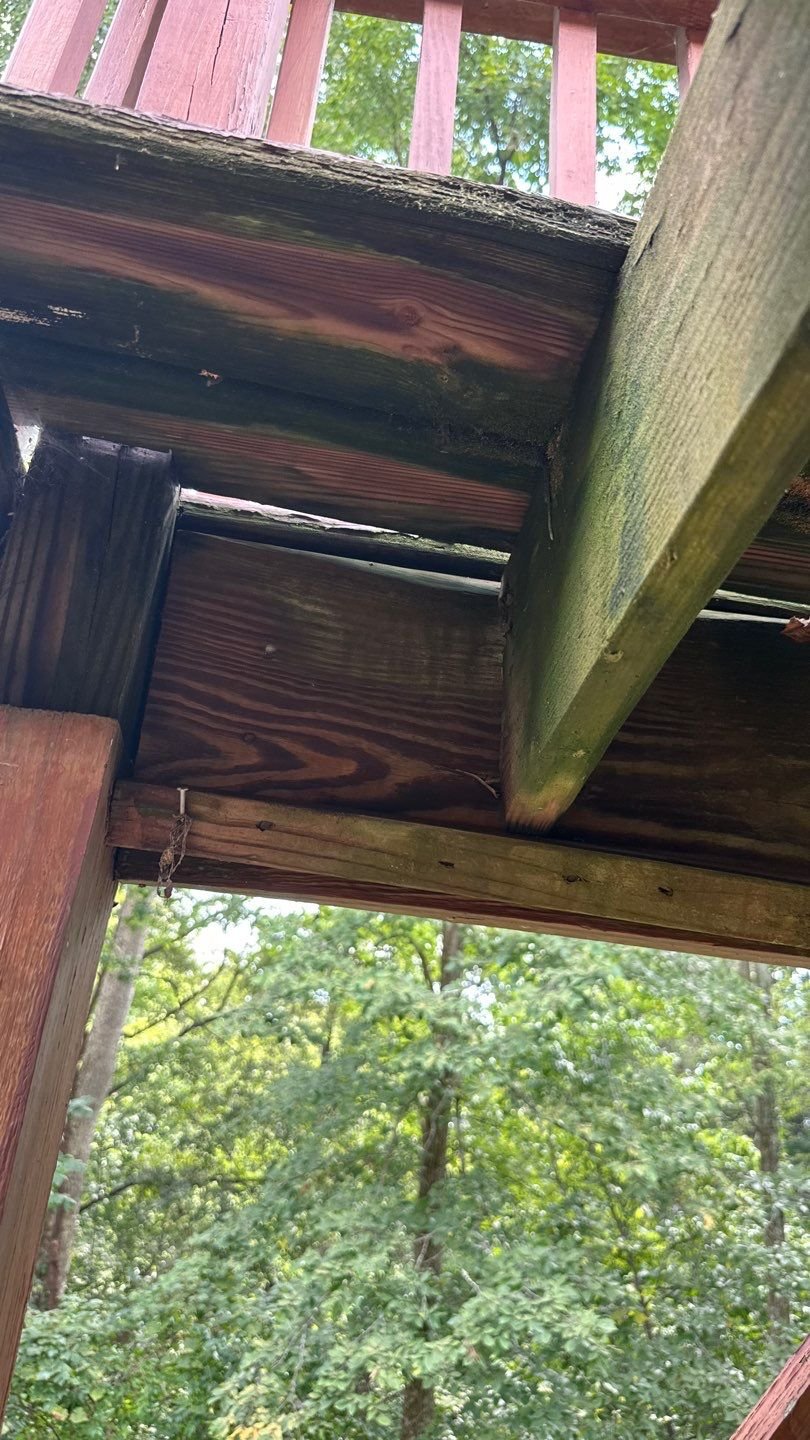
Fig. 2. Mold and mildew start to develop under this structure
Trim overhanging branches of trees near your deck to minimize the source of falling leaves and debris on your deck and allow more sunlight to dry your deck.
Apply sealant on gaps and re-stain your wooden deck to prevent water absorption from damp leaves during fall.
Ensure that your deck drainage is working to allow water to drain properly during rainfall.
Cover furniture on your deck with waterproof covers to prevent staining and damaging them from damp leaves and debris during the fall.
4. Winter: Snow/Ice Management & Surface Protection
The winter season can be harsh on your deck. With its high exposure to moisture and snow during winter, your deck can be damaged, especially wooden decks. Here are some tips to prevent snow and ice damage:
A. Before winter starts, remove furniture, planters, mats, and store the things on your deck that can be potentially damaged by snow, ice, or trap moisture. You can cover your deck with a tarp to serve as a barrier against snow and ice before a storm.
B. Re-seal gaps and patch up deep hollow portions that can excessively hold snow/ice and trap moisture on your deck. Trapped moisture can cause mold or mildew buildup on your deck.
C. Shovel the snow gently off your deck using a plastic shovel with a blunt edge. Follow the grains and push the snow along the direction of the boards rather than across them to prevent damage to your deck surface. Do not use metal shovels to avoid their sharp edges from scraping your deck paint and damaging the surface.
D. Avoid using de-icers with sodium chloride or salt and other harsh chemical contents that can cause discoloration and corrode metal fasteners on your deck. Use gentler de-icing products designed for decks.
E. Clear the snow on your deck frequently to prevent it from piling up. The increasing snow weight can put your structure under stress and could lead to structural damage, especially for older and weathered decks. Accumulated snow and ice can also be dangerous, especially on stairs, due to a slippery deck surface.
Improper snow and ice management on your deck during winter can lead to costly repairs due to structural damage and early wear and tear.
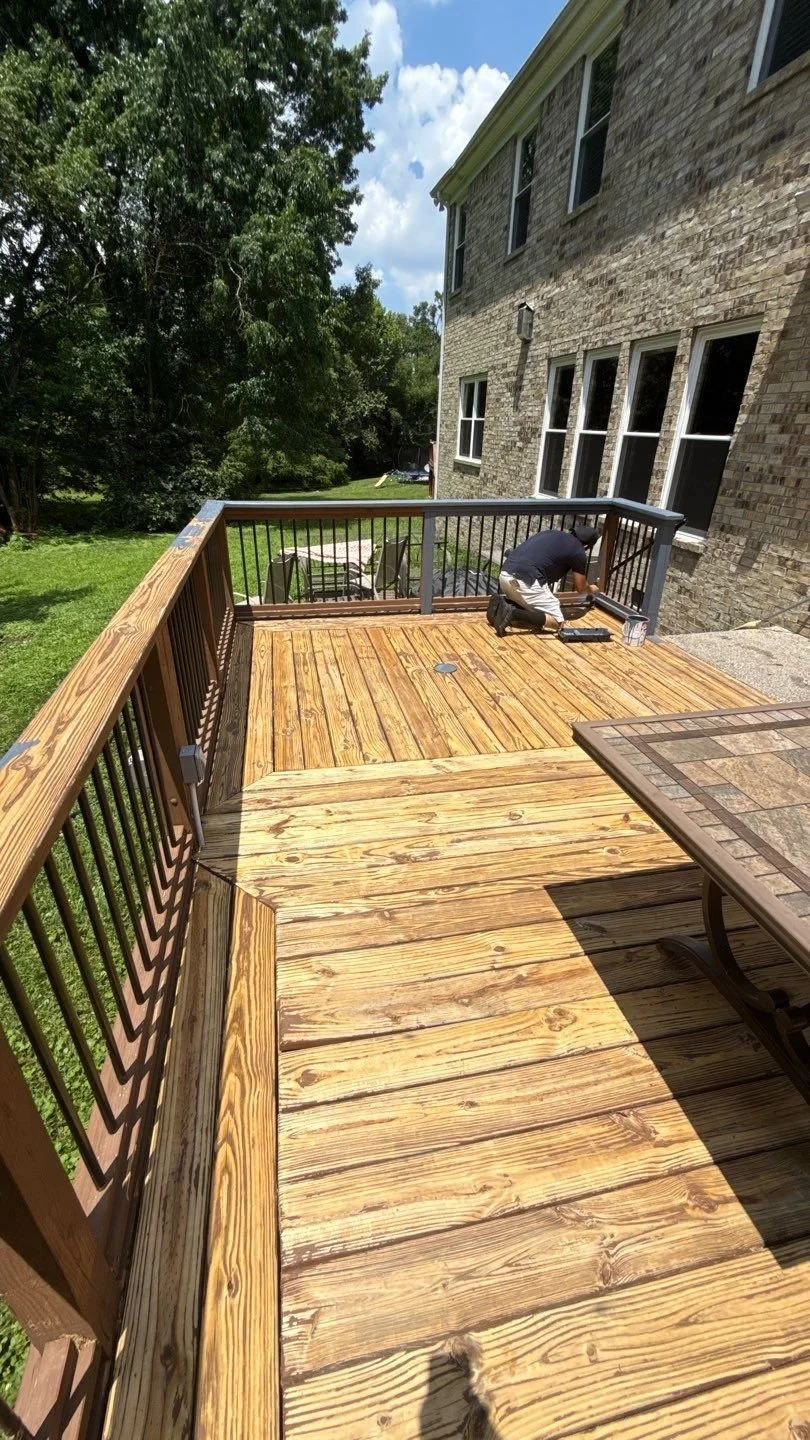
Fig. 3. Re-staining and re-painting deck surface
As the seasons change, it is essential to have a flexible partner in deck maintenance. In Modern Handymen & Remodel, we understand your deck’s needs to keep its pristine condition all year-round. With our expert team of deck builders, we provide a comprehensive guide to your seasonal deck maintenance tailored to fit your home’s needs. We help ensure your deck remains beautiful and functional, safeguarding your outdoor investment by extending its lifespan. Get your deck ready for all seasons. Call us today at 615-200-8071 and let your seasonal deck care start now!
