
Signs It’s Time to Demolish Instead of Renovate
According to the National Association of Realtors, home improvement remains a hot trend as people update their spaces to be more functional for the long term. However, not every property can be saved through renovations or remodeling. In some situations, demolition can be the best decision for homeowners, as it is safer, more practical, or more cost-effective. Knowing when to renovate or demolish will help you confidently plan your next move for your property, protect your budget, and avoid construction issues. Check out the following key signs to help you decide whether you need full or partial demolition rather than another round of repairs.
1. Severe Structural or Foundation Damage
One of the most common reasons for demolition is irreversible damage to the structure or its foundations, caused by factors such as soil movement, construction defects, improper design, or severe water-related damage. Extensive structural damage can pose a risk of collapse, especially when the structure starts to show warning signs. Although a professional structural assessment can determine if demolition is the most responsible option for your property, you can look for these serious warning signs that may indicate an impending structural failure or severe foundation damage:
A. Large cracks greater than 1/4 inch may be horizontal, vertical, diagonal, or stair-step
B. Basement walls leaning inward, often due to soil pressure
C. Large gaps on walls, separating them from the floor or ceiling
D. Water intrusion on basement walls or flooring
E. Sagging rooflines or beams
F. Audible noises that sound like cracking or shifting movements
G. Unlevel flooring, showing significant sagging or settlement
2. Extensive Mold, Rot, or Water Damage
Water is essential for your home, but can also be its worst enemy if left unmanaged. Water damage is a serious issue that requires extensive repairs. Dealing with water damage is urgent. The longer the water sits, the more the damage grows. Mold (a type of fungus) and mildew (a specific kind of mold appearing as a thin, white or gray growth) can develop within 24-48 hours. Rot (the decay and weakening of wood due to moisture) can set in after a week of moisture. Rot weakens wood, and cracks can signal severe structural damage. Water exposure can damage your home's foundation (the structural base of your house), walls, floors, and ceilings.
Extensive mold, rot, or water damage can become toxic and compromise the structural integrity of your property, making it unsafe for homeowners. As water often seeps behind walls, under flooring, and into ceiling cavities, hidden damage can be extremely dangerous for homeowners if left untreated. Demolition is required to expose these hidden areas, properly dry the structure, and remove contaminated insulation, rotted wood, or even unsafe electrical wiring that has been exposed to moisture. When water damage is extensive and affects a major part of your home, interior demolition and rebuilding may be a safer, more cost-effective option for homeowners than patchwork repairs.
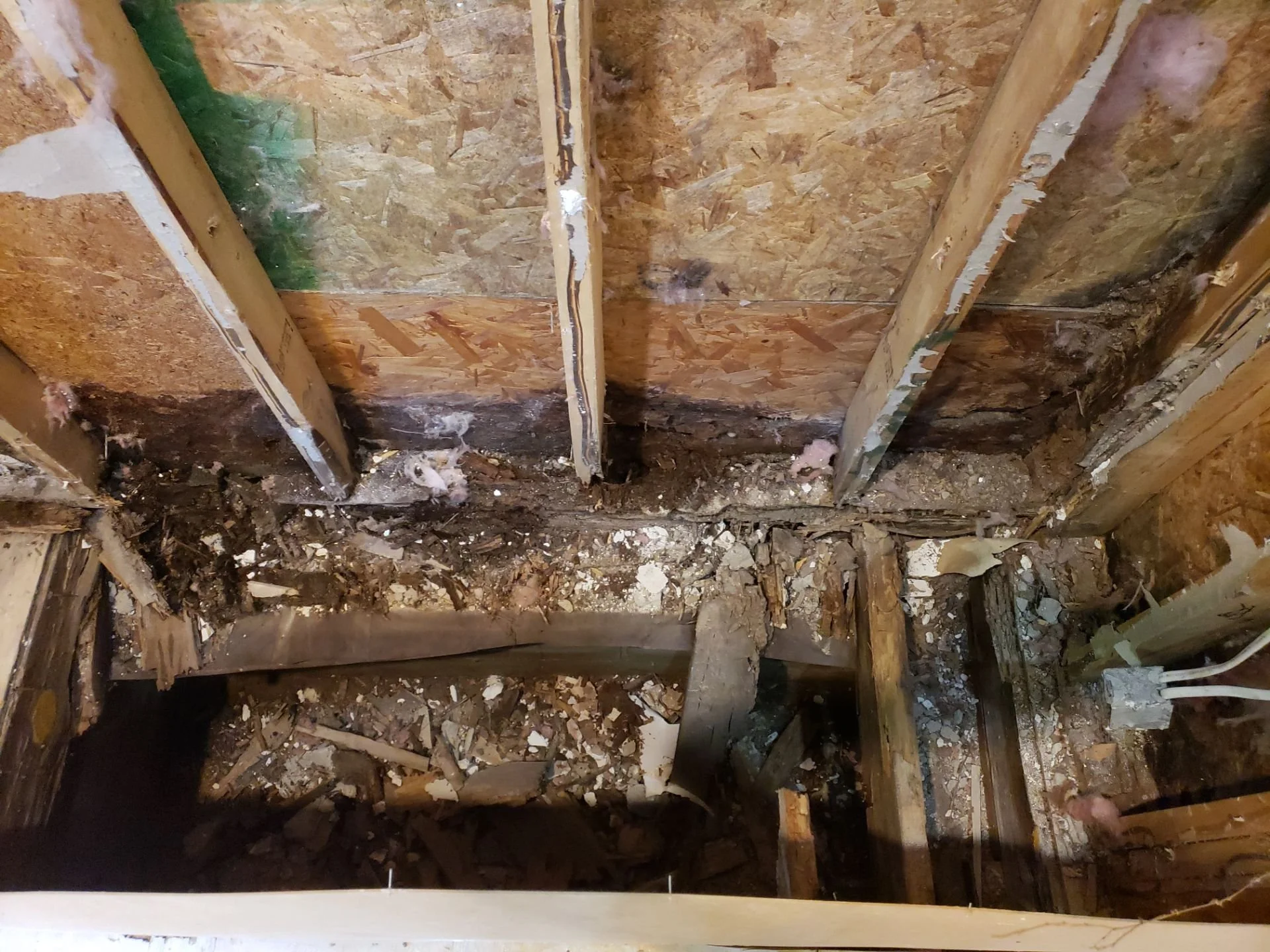
Fig. 1. Interior demolition due to water damage in a Nashville home
3. Fire or Natural Disaster Damage
Poorly maintained structures can sustain extensive damage in the event of a natural disaster or fire. These damages can range from smoke damage to warped steel supports and internal corrosion, compromising the structure's overall integrity and safety. Demolition of a fire- or disaster-damaged structure can be the most practical and necessary solution to make way for a safer, more resilient replacement. The United States Environmental Protection Agency recommends knocking down each structure wall by wall, folding it in on itself to minimize excess breakage of asbestos-containing material. When in doubt whether the structure is beyond repair after a fire or natural disaster, observe the following signs of instability on your structure:
A. Deep structural cracks
B. Uneven or settling flooring
C. Rusted steel structural components
D. Water ingress to the structure
E. Warped or breaking structures
4. Renovation Costs Exceeding Property Value
Sometimes, the overall demolition cost for some homeowners makes more financial sense than repairing or remodeling the house when it has sustained substantial damage, leading to a depreciated property value. Substantial damage can be from any cause—flood, fire, earthquake, wind, rain, or other natural or human-induced hazard. As defined by the U.S. Federal Emergency Management Agency (FEMA), substantial damage means damage of any origin sustained by a structure whereby the cost of restoring the structure to its pre-damaged condition would equal or exceed 50 percent of the market value of the structure before the damage occurred.
As a basic rule, substantial damage means the costs to repair or restore a structure are significant, regardless of the owner's actual expenses. "Pre-damage condition" refers to the state the building was in before the damage occurred. Use qualified labor and materials at prevailing market prices for your estimates. The repair estimate must include all costs needed to fully restore the structure. If renovation costs are 50 percent or more of the building's pre-damage market value, full demolition may be the best option.
Consider the average home renovation cost per square foot of floor plan in a home, estimated by Architectural Digest, when deciding if you might want to continue with the renovation:
A. Whole house- $10 to $250 per square foot
B. Kitchen- $100 to $250 per square foot
C. Bathroom- $120 to $275 per square foot
D. Living room- $10 to $60 per square foot
E. Basement- $100 to $300 per square foot
There are many factors in estimating demolition and rebuild costs. Use the table below to view InsuredBetter's average demolition and rebuild cost per square foot.
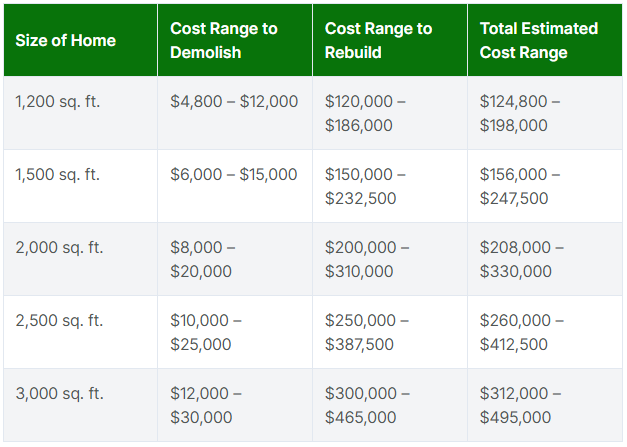
Fig. 2. Average demolition and rebuild cost per square foot by InsuredBetter
In 2026, the median price per square foot of a residential house is $216 based on Realtor.com market trends. By comparing renovation and demolition costs, homeowners can decide which option best suits the property’s market value.
5. Safety Risks For Occupants And Neighbors
Demolition work poses significant safety risks for occupants and neighbors. This nature of work involves a higher risk of accidents due to structural instability during demolition. There is a risk that the demolished structure will collapse unexpectedly, burying workers under falling materials. Health risks are also considered due to the excessive or toxic dust or fumes during demolition. Common hazards on a demolition site include scaffolding and ladders. They are working at heights on these while demolition is ongoing, increasing the risk of falls due to ground shaking.
Demolition hazards can be controlled and eliminated through proper planning, appropriate personal protective equipment, required training, and compliance with Occupational Safety and Health Administration standards. Choose reliable professionals, such as Modern Handymen & Remodel, to ensure your demolition project is safe and successful from start to finish. Modern Handymen & Remodel offers secure, efficient, and precise residential demolition services in Brentwood and Nashville, TN, regardless of project size. Prioritizing safety, Modern Handymen & Remodel commits to speed and quality to help homeowners achieve a successful demolition for their property’s future endeavors.
Ready to stop patching problems? Don’t ignore warning signs—it may be time to demolish or renovate. Get a professional assessment and take control of your property’s future. Call 615-200-8071now to speak directly with our demolition experts at Modern Handymen & Remodel. Don’t wait—explore your options and take the next step today!
