
What Homeowners Should Know Before Demolishing A House
The idea of demolition itself can be challenging for homeowners, as it is commonly perceived as destructive.Demolition is generally dismantling, removing, or destroying any structure or part thereof. Demolition, partial or complete, allows homeowners to start afresh, considering factors such as safety, structural integrity, local code compliance, modern appeal, and economic cost. Let us explore demolition further to make an informed decision before demolishing a house.
1. Reasons Homeowners Choose Demolition Instead Of Renovation
Although demolition may sound extreme, it may be a practical choice for homeowners who want to start from scratch to meet their needs. Demolition is more than just tearing down walls and slabs; it's also about maximizing your home's remodeling efforts to increase its value and functionality. Working on a clean slate allows homeowners to make room for more improvements, adding value to their homes. Here are some of the key reasons to decide on a demolition:
A. Safety Hazards
Houses severely damaged by natural disasters, such as floods and typhoons, fire, and termite infestations, can be unsafe for homeowners to occupy without demolishing the hazardous parts.
B. Local Code Violations
Old homes can be outdated in terms of plumbing, electrical systems, and insulation, leading to violations of current building codes. Updating them to comply with the modern building codes can be costly for homeowners.
C. Major Structural Issues
When a house has complex structural issues, it can cost homeowners expensive repairs and retrofits, making demolition a more practical solution.
D. Limited Layout for Expansion
Small floor plans may not be suitable for modern, open-concept designs. The existing layout and structure can also limit the ability to add more rooms or a second floor, as they were not designed for additional loads or expanded layouts.
E. Higher Property Value as Vacant Lot
Due to strong demand, a vacant lot can appreciate more rapidly than an aging house, making demolition the optimal choice for homeowners seeking to attract buyers swiftly.
F. Unforeseen Issues
Unforeseen issues such as faulty wiring and severe water damage can be difficult to estimate and repair, leading to unexpected cost overruns. Demolishing the structure or the affected part can be a more predictable option for homeowners.
G. Cost-Effectiveness
When repair work is frequent and costly enough to exceed the total cost of rebuilding the structure, it makes better financial sense to demolish the structure and start fresh.
2. Evaluating The Condition Of The Property
Determining whether a property requires demolition demands careful evaluation of its condition and environmental impact.The United States Environmental Protection Agency recommends a pre-demolition inspection as a cost-effective way to identify materials that should or must be removed before demolition. Pre-demolition assessments include evaluating the following conditions:
A. The condition of the site and the building at the site.
B. The environmental issues at the site.
C. The building's size and the materials used.
3. Understanding Demolition Costs And Budgeting
Understanding demolition costs helps homeowners effectively prepare their budgets and make informed decisions for their next move. Several factors affect demolition expenses. Let us break down all these key elements for demolition cost:
A. Size of the Property
Larger properties demand more labor and equipment for demolition than smaller ones.
B. Complexity of the Structure
More complex structures require greater scope for demolition projects, as they often combine interior and exterior demolition to complete the work.
C. Materials Used
When the materials in the existing structure to be demolished are harder to break down, such as concrete rather than wood, they require more extensive and expensive demolition methods.
D. Waste Disposal
Include proper demolition debris disposal in expenses, as removal services may be required, particularly for hazardous waste.
E. Permits and Code Compliance
Compliance with local codes requires specific safety measures and demolition permits, which can increase overall costs.
F. Site Access
Sites that are difficult to access for demolition, such as tight urban spaces or remote rural areas, can increase overall fuel and equipment costs.
G. Labor Costs
Demolition requires skilled, experienced workers who can do the job safely and efficiently, which can affect total labor costs.
4. Permits and Local Regulations To Consider
Demolition in Tennessee requires permits before beginning the project to ensure it is conducted safely and in compliance with local laws. Tennessee requires a written notification of a facility demolition and/or an asbestos renovation as required by 40 CFR 61.145 and Tennessee Division of Air Pollution Control Regulation 1200-03-11-02(2)(d). All demolition and renovation projects are subject to regulations, as owners, operators, or contractors must determine whether asbestos is present at the site and, if so, the extent of its presence. For the demolition of structures, the building code requires action on service connections. Before a building is demolished or removed, the owner must notify all utility companies to ensure that service connections, such as water, electric, gas, and sewer, and appurtenant services, such as meters and regulators, have been removed, disconnected, sealed, or safely plugged.
5. Hiring A Professional Demolition Contractor
Not all homeowners can manage a demolition project smoothly, as it involves many tasks that require professional expertise, equipment, and adherence to safety protocols. Homeowners hiring expert demolition services from a professional company can be a smart move for the following reasons:
A. Efficiency
Professional demolition services help you meet deadlines, as their expertise in demolition streamlines the process.
B. Waste Management
According to the U.S. Environmental Protection Agency, 90% of the total construction and debris generation is from demolition. Clearing and disposing of demolition debris and waste should be done safely, responsibly, and efficiently. Demolition contractors know exactly how to handle bulk demolition waste. Some materials are reusable or recyclable, while others, such as asbestos, can be hazardous and should be disposed of safely at the designated waste management sites.
C. Safety
According to the U.S. Department of Labor's Occupational Safety and Health Administration, demolition involves many construction-related hazards. Moreover, demolition involves additional risks due to unknown factors, making it particularly dangerous. Its hazards can be controlled through proper planning and the expert execution by trained professionals. Electrical and plumbing lines can pose hazards that must be addressed safely during demolition. Professional demolition contractors are experienced and trained to handle such situations, reducing the risk of site damage and preventing accidents.
D. Specialized Equipment and Tools
Demolition tasks require specialized tools and equipment. Professional demolition contractors invest in heavy-duty machinery, enabling them to complete projects efficiently. They employ trained demolition crews skilled in safely and efficiently clearing job sites using the appropriate equipment.
E. Quality Inspections
Professional demolition companies implement quality assurance procedures before and after demolition. Post-demolition inspections verify that the area is fully cleared before property turnover.
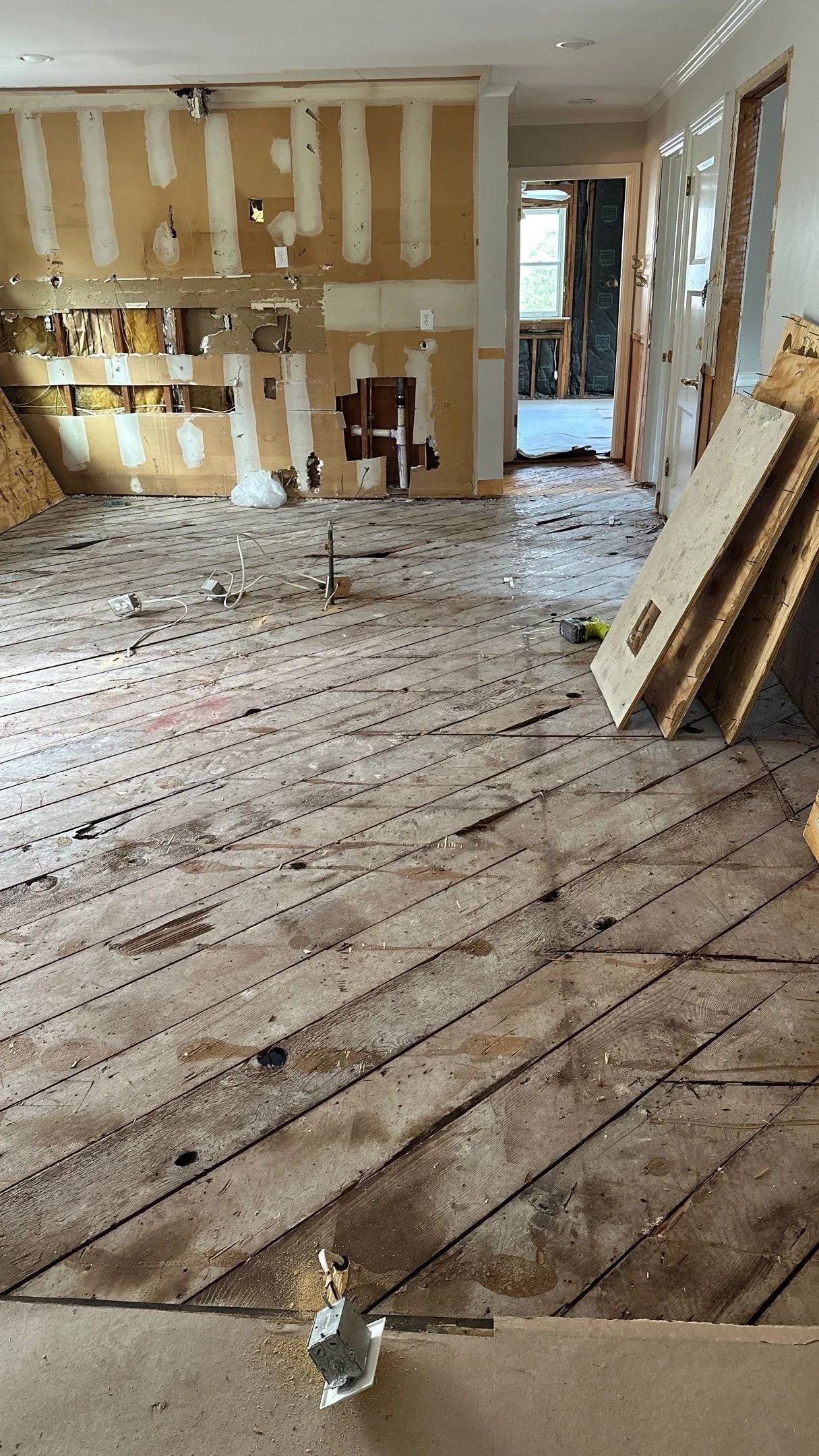
Fig. 1. Interior demolition by Modern Handymen & Remodel in Nashville, TN
Need professional guidance? Contact us before you begin your demolition project. Call 615-200-8071 to schedule a consultation with our demolition experts at Modern Handymen & Remodel. Start your project the right way today.
