
Mold, Mildew, and Algae Prevention on Decks
The Tennessee Department of Health emphasizes that molds can be found almost anywhere – indoors and outdoors. There are thousands of mold types in Tennessee and worldwide, many of which produce spores. Spores spread easily through the air and can form new mold growth on surfaces when conditions are right. Above all else, molds need moisture to live and grow. If there is mold growing in your home, there must be a source of moisture or a water problem. Moisture can also cause mildew and algae to develop on surfaces. However, mold can penetrate deeper into the material, making it harder to clean. To prevent these problems, homeowners should control indoor humidity, promptly fix water leaks, and ensure proper ventilation. Regularly inspect and clean decks and other surfaces to remove any visible mold, mildew, or algae early. By understanding the nature of mold, mildew, and algae on decks, we can take proactive steps to maintain our home’s pristine condition.
1. Why Decks Grow Mold
A deck that is not properly protected against moisture and humidity is the favorite breeding ground of mold. Mold thrives in damp environments, targeting those untreated and unsealed parts of your home’s deck. Here are the key factors affecting mold growth:
A. Humidity and Moisture
B. Poor Airflow
Widely shaded decks can prevent evaporation due to a lack of sunlight and restricted airflow. Trapped moisture on the deck allows mold, mildew, and algae growth.
C. Accumulated Leaves and Debris
Expect many leaves on your deck in the fall. Decaying leaves and debris trap moisture on the deck surface. Accumulated leaves may also clog the gutters of covered decks.
D. Improper Drainage
Water accumulation on the deck surface primarily causes moisture damage to the deck materials, which can lead to mold growth over time. Proper drainage means a system or slope that directs water off the deck, which is essential to prevent moisture from trapping, especially in shaded areas.
E. Surface Deterioration
Deteriorated deck surfaces, whether due to old age or early wear and tear, allow water to penetrate deep into the deck materials. An untreated wooden deck or worn-out sealants can accelerate damage from mold, mildew, and algae.
2. How To Remove Stains Safely
Not all decks are made up of the same materials. Therefore, an effective stain removal process can vary depending on the deck materials used. What process works on a composite deck can seriously damage natural wood and vice versa. Check out these stain removal tips for each common deck material:
A. Wood
Soft washing lifts stains and treats mold stains without damaging the surface or forcing water deep into the wood grain, which can lead to rot. You can use oxygenated cleaners and a soft-bristle brush to remove deep stains. Since wood surfaces can be easily damaged, gentle, low-pressure washing is best for rinsing.
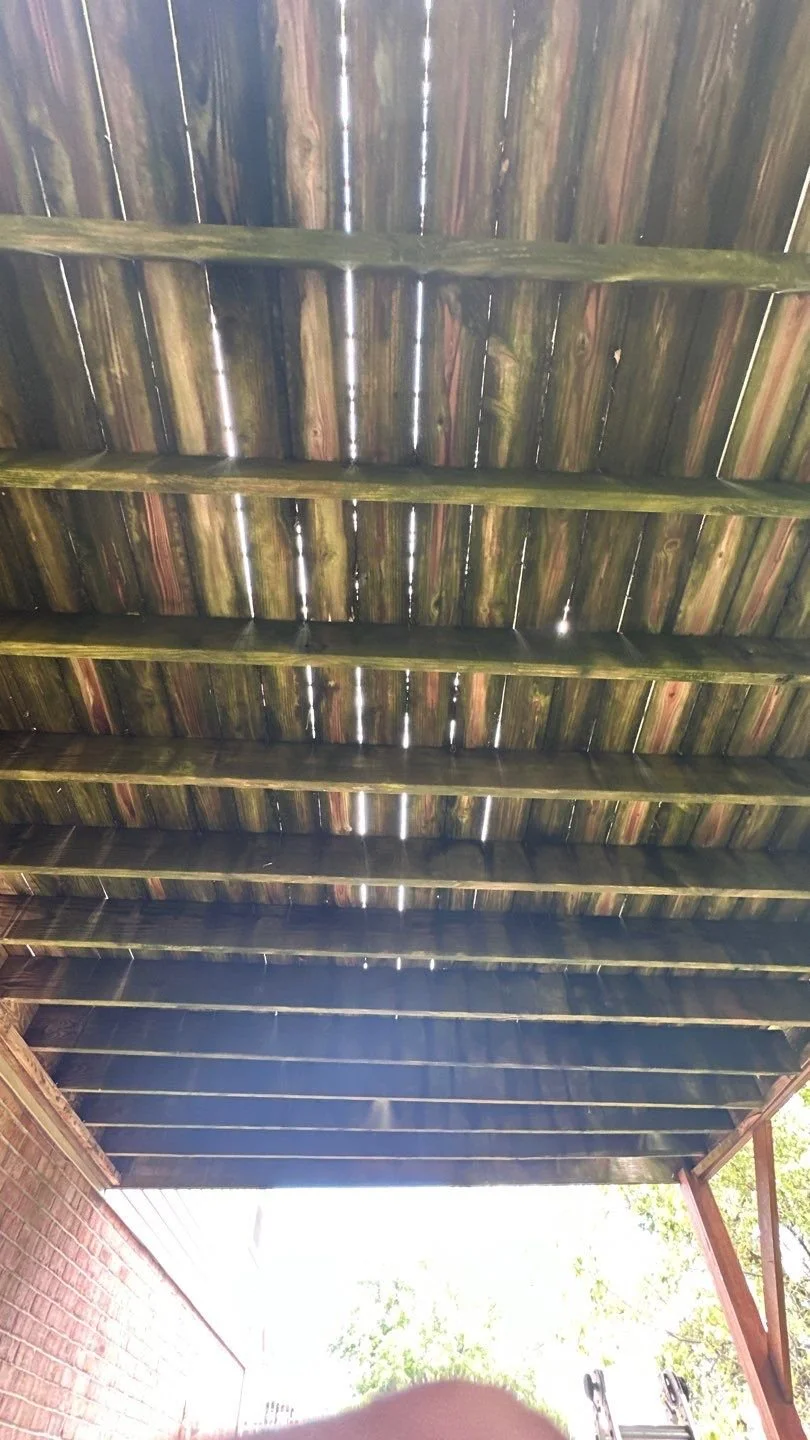
Fig. 1. A wooden deck in Nashville with molds, mildew and algae
B. Composite
Composite deck materials can still stain and discolor, but stain removal is usually easier. Unlike wood, composite surfaces are less sensitive, though you should still use mild detergents, soft cloths, or plastic scrub brushes.
C. PVC or Vinyl Decks
PVC or vinyl can discolor due to surface stains. Stains can be easily removed using soap, water, and non-abrasive brushes. Soft washing prevents PVC or vinyl from warping or dulling from harsh treatments.
3. Eco-friendly vs. Chemical Cleaning Options
Cleaners can effectively tackle dirt, mold, and grime on your deck. However, choosing the right cleaning products is important. The right products help maintain your deck's appearance and functionality over the years, while also ensuring safety and sustainability.
Chemical deck cleaning solutions are readily available in the market. Some chemical cleaning solutions contain harsh chemicals like bleach, ammonia, chlorine, and VOCs, which can affect respiratory health, irritate the skin, and trigger allergies. These can be unsafe for the family, pets, and plants when used improperly.
Unlike conventional chemical cleaners, eco-friendly cleaning solutions not only clean decks but also protect your personal health, reduce environmental impact, and ensure long-term cost savings. Natural cleaning solutions readily available at home, such as baking soda, vinegar, or lemon juice, can remove dirt and stains while being gentle on your deck materials.
4. Preventive Sealing Techniques
Sealant serves as a protective layer of your deck, helping it last longer and minimizing damage from ice, snow, and rain. A reliable deck sealer will help ensure your deck’s longevity. Protect your deck from moisture and UV rays by re-sealing surfaces and gaps, usually every 1 to 2 years. Here are some of the deck sealing techniques you should remember:
A. Proper surface preparation before re-sealing is the key to ensuring that your protective layer adheres fully to your deck. Sweep off leaves, dirt, and debris that have been sitting on your deck and rinse off all that grime with a hose or by gentle pressure washing.
B. Inspect your deck for signs of wear and tear. Replace damaged boards before applying sealant to ensure the surface is in good condition and your efforts are not wasted.
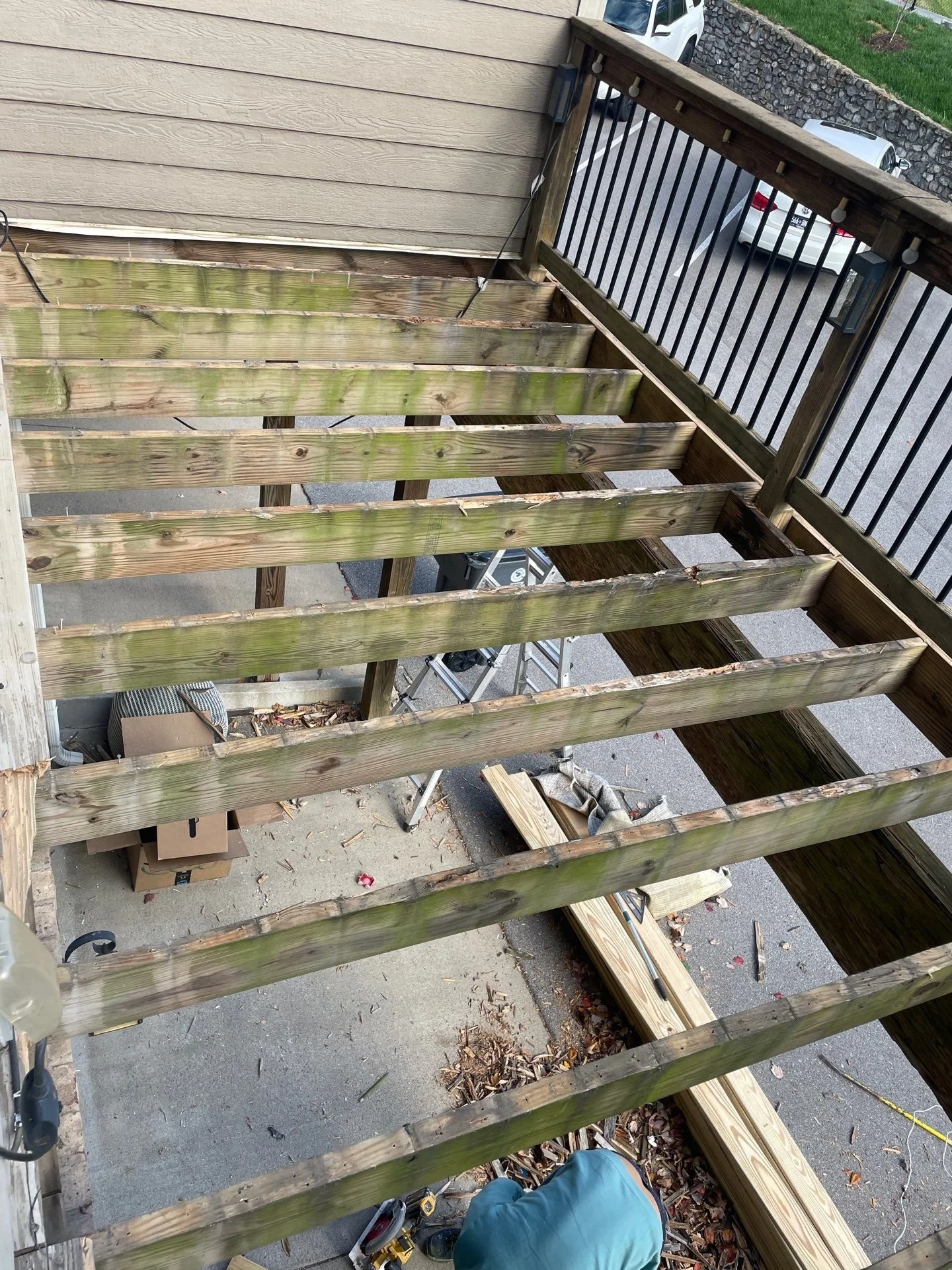
Fig. 2. Replacing moldy deck boards in Brentwood, TN
C. Each sealant is suitable for different types of deck materials, such as wood. Every sealer is a little different, so take the time to read the label before starting the sealing process. Follow the manufacturer’s instructions to ensure you apply the correct sealant correctly.
D. If you are not a DIY person, hiring a professional is the best way to ensure the sealing is done correctly. With proper application, your deck sealer can last for several years while protecting against molds, mildew, and algae.
5. Long-term Moisture Management
Protective sealants shield your deck from moisture by creating a barrier that prevents water absorption. Over time, sun and environmental exposure can reduce their effectiveness. To prevent this, schedule sealant re-application every 1-2 years, and promptly touch up any worn or damaged spots. Regularly inspect your deck for pooling water, blocked drainage, or debris in the gaps between boards—clear these areas to keep moisture from collecting. Additionally, cover planters and furniture during winter or wet seasons to stop trapped moisture from snow and ice. Following these specific steps helps stop issues like mold, mildew, and algae before they cause bigger problems.
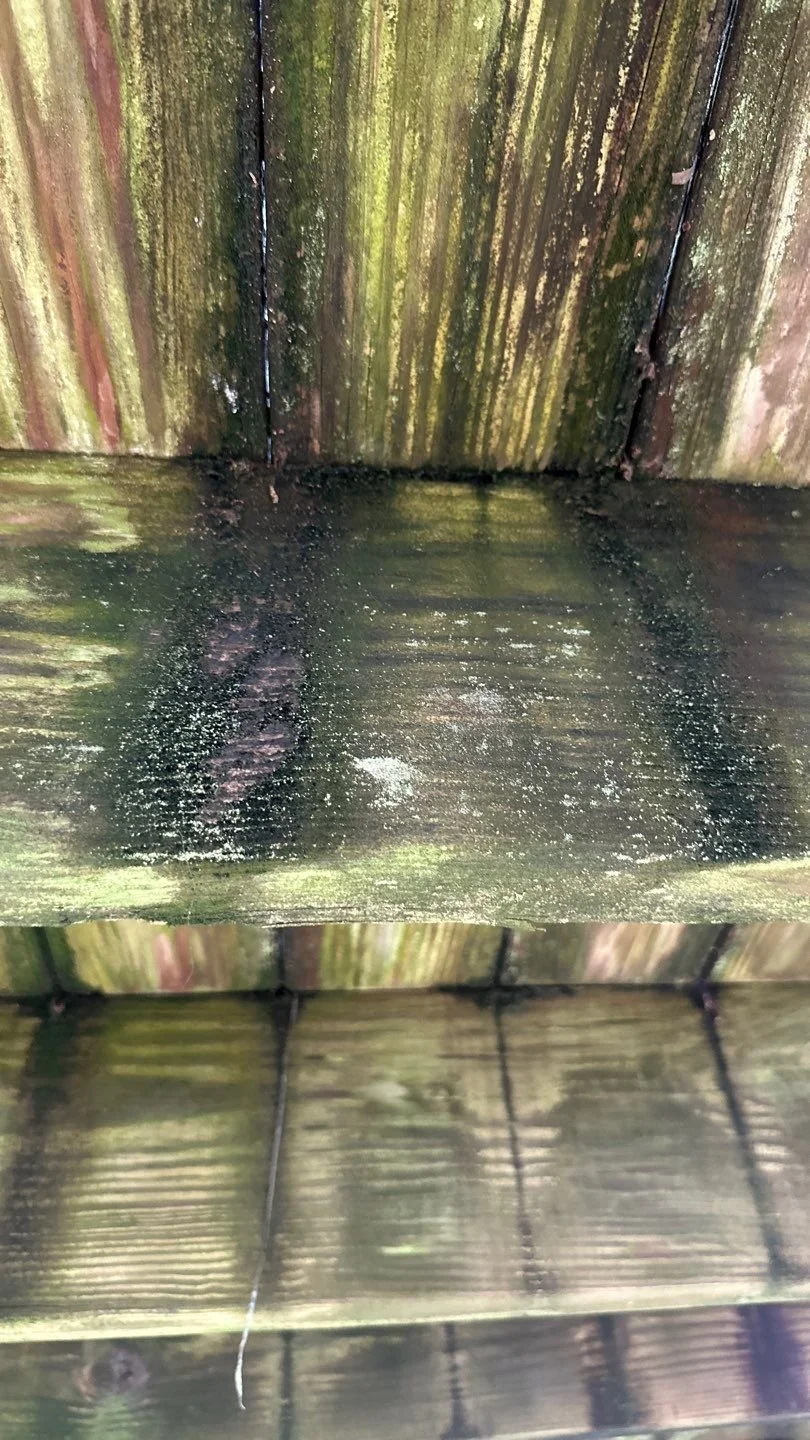
Fig. 3. Molds due to moisture in a Nashville deck
Modern Handymen & Remodel is a trusted name in deck building and maintenance for homeowners in Brentwood, Franklin, and Nashville. Our deck experts understand the process and develop a plan to help prevent mold, mildew, and algae on your deck. our deck. Stop the mold before it starts by calling us at 615-200-8071 for your deck maintenance needs. Keep your deck fresh, dry, and protected year-round. A little prevention today saves costly repairs tomorrow.
