
According to Encyclopaedia Britannica, Tennessee has a moderate climate, with cool but not cold winters and warm summers. In Nashville, high temperatures in July average above 32 °C and in January, about 8 °C, while the average low is around −1 °C. The changing seasons are inevitable and must be considered in preparing for seasonal deck maintenance. With Tennessee’s year-round changing weather, it is essential to prepare your outdoor deck to ensure it remains safe, beautiful, and functional for years to come. Let us begin by understanding how we keep our decks protected from the weather over time.
1. Sun Damage and UV Fade Prevention
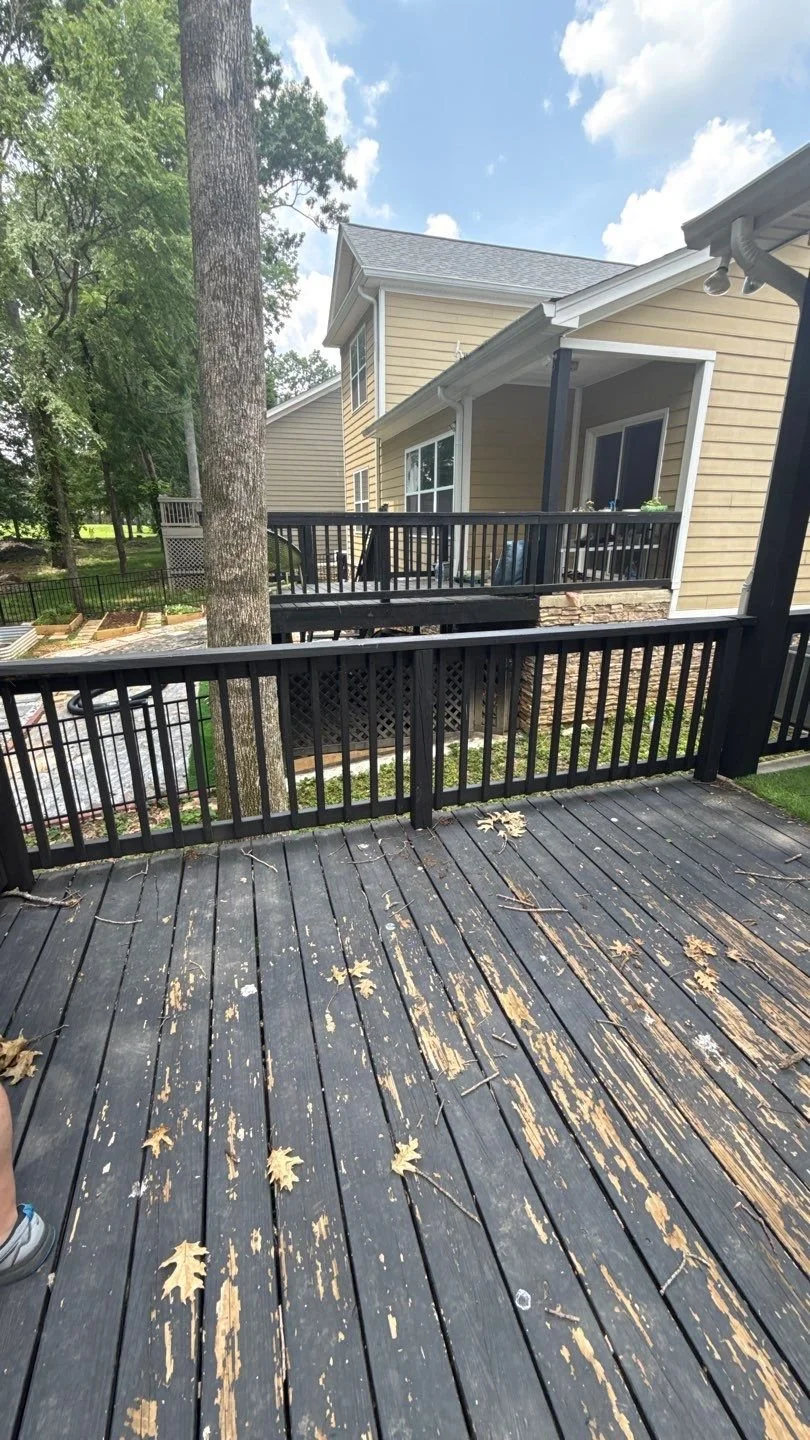
Fig. 1. Deck discoloration due to sun damage
The UV rays of the sun break down the deck’s protective layers. Ultraviolet (UV) radiation in sunlight damages the essential cellulose and lignin within wood fibers, weakening your wooden deck over time. UV rays cause the wood's structural fibers, which give wood its strength, to become loose and separate. Signs such as discoloration or splintering indicate that your wooden deck has been exposed to the sun.
A. Wood starts to turn gray, losing its natural warm tones
B. Sun damage causes wood to crack and splinter
C. There will be powdery residue on wood surfaces
D. Wood will lose its water-repelling properties
Protect your deck from the summer sun by applying a UV-protective stain or sealant to help maintain its appearance. Regularly reapply protective coating on the deck as needed during dry periods. UV protection helps prevent drying, fading, cracking, and warping from excessive heat. Consider adding shade options such as sails, umbrellas, or pergolas to your deck to minimize direct sunlight and enhance comfort. Use outdoor fans to promote airflow and minimize heat buildup on your deck.
2. Rain, Snow, and Moisture Control
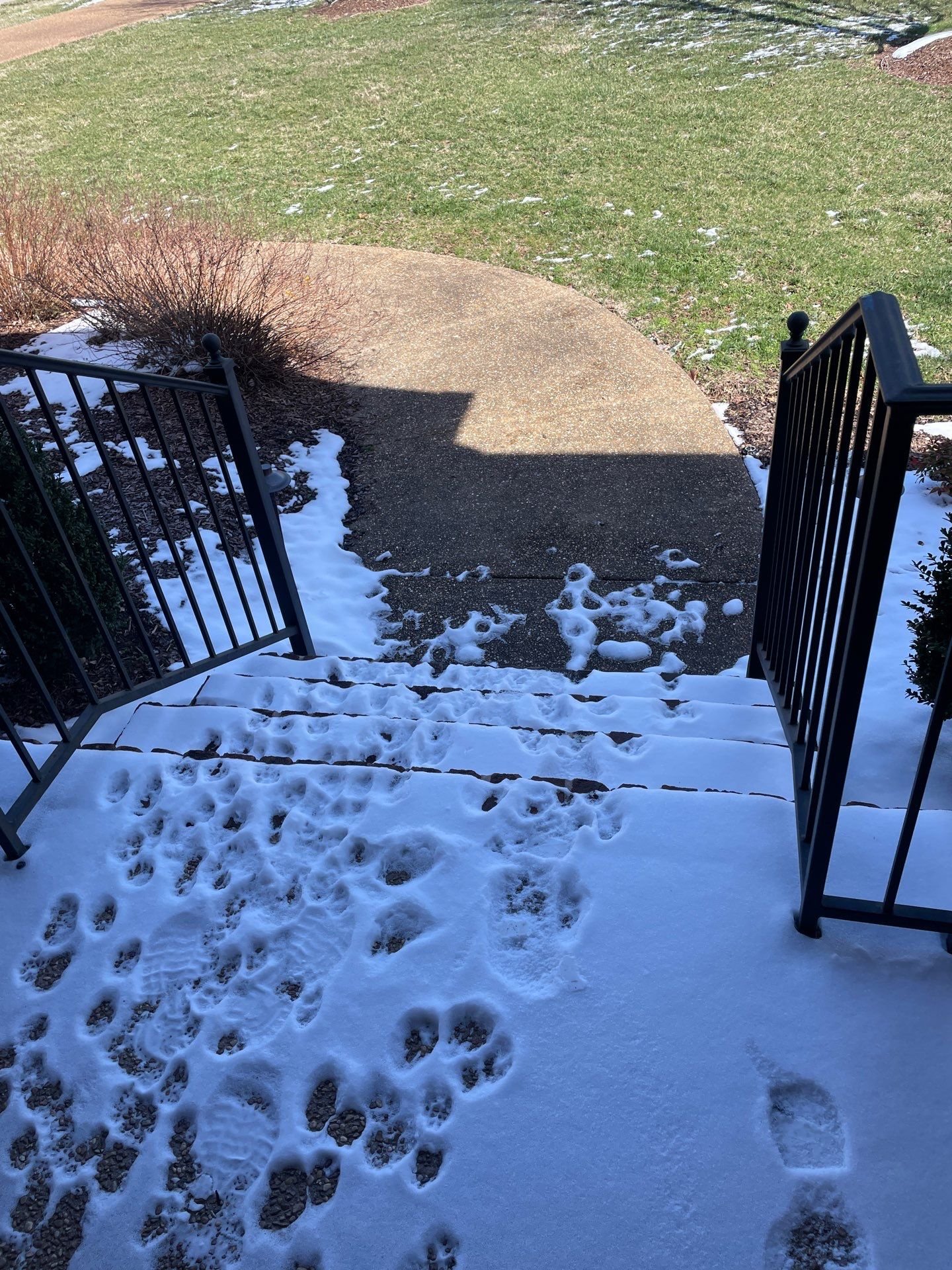
Fig. 2. Snow on a Brentwood deck
Extreme exposure to moisture, rain, and snow during the cold months can damage your deck. Moisture control is important to prevent moisture from being trapped in wood. Trapped moisture can cause wood to warp, crack, and splinter earlier. Although moisture damage will not be immediately visible to homeowners, this does not mean that nothing is happening beneath the surface. Your deck structure can be compromised each winter when it is not protected from rain and snow. Here are some to-dos to protect your deck from rain, snow, and moisture:
A. Treat your wooden deck by applying stain or sealant. Stain and sealant serve as a protective layer on your deck, helping it last longer and minimizing damage from ice, snow, and rain.
B. Check for the presence of mildew and growth both on your deck surface and underneath your deck planks. Exposure to humidity and moisture can make your outdoor deck susceptible to mold and mildew. Molds and mildew tend to grow on the damp surfaces of your deck over time. They break down the integrity of your deck, making it vulnerable to chips, cracks, crumbling, and other damage.
C. Remove leaves and debris on your deck surface using a leaf blower or broom before the first snowfall. Damp leaves and debris can trap moisture on your deck, causing damage and discoloration.
D. Clean your deck before and after the cold season using a soft scrub brush to remove dirt while focusing on spots where you noticed mold, mildew, and algae growth. Clear the snow on your deck frequently to prevent it from piling up. The increasing snow weight can put your structure under stress and could lead to structural damage, especially for older and weathered decks. Accumulated snow and ice can also be dangerous, especially on stairs, due to a slippery deck surface.
E. Cover furniture on your deck with waterproof covers to prevent staining and damaging them from damp leaves and debris during the cold season.
3. Why Is Proper Drainage Essential?
Water accumulation on the deck surface primarily causes moisture damage to the deck materials. Proper drainage means a system or slope that directs water off the deck that is essential to prevent moisture from trapping, especially in shaded areas. It ensures your deck’s long-term structural integrity, safety, and usability.
4. Best Deck Covers and Shade Solutions
Due to Tennessee’s unpredictable weather, homeowners are investing in materials and designs that can withstand weather for all seasons. Deck covers provide shade and shelter, making outdoor areas usable year-round. From hot summer days to unexpected rain showers, homeowners can be confident that outdoor gatherings can continue without the hassle, offering a cozy environment for relaxation and entertainment. A dry deck allows homeowners to create storage underneath the outdoor space, extending its functionality and value.
You can add deck covers and shade with easy, affordable solutions. Each design is a statement that can perfectly blend with your home’s style, strength, and simplicity. Each type offers a unique experience for homeowners, allowing them to enjoy the outdoor ambiance without excessive exposure to the sun and rain. Here are some trendy ideas to help you enjoy your outdoor living space in any weather.
Shade sail covers your deck against direct sunlight, protecting you from harmful UV rays and extreme heat. Usually, a black shade shelters your seating area, allowing you to enjoy your outdoor living space comfortably.
B. Green roof
Using strong, low-maintenance plants that can withstand varying weather conditions for your deck roofing is an innovative way to insulate your outdoor space while enhancing your deck design.
C. Retractable Awning
A retractable awning can block 90% of UV and radiant heat. Modern retractable awnings can be remote- or voice-controlled and professionally installed for lasting performance. It can also have smart features that retract when triggered by the weather.
D. Pergola
Pergolas can be a stylish option for sun and rain protection. They offer flexible designs with versatile frames for covers, fans, or lights.
E. Umbrella
Umbrellas are the most affordable and widely available option for deck cover and shade. A deck umbrella can be a flexible choice for smaller decks or temporary needs, ideal for renters or those unsure about a permanent shade solution. However, they offer limited durability to withstand strong winds, especially on larger decks.
You can hang curtains around your covered deck to soften your outdoor design and diffuse sunlight, creating a more comfortable, breezy living space. Waterproof and windproof linen curtains are stylish and trendy options available in various colors to complement your home’s exterior while keeping rain, wind, and moisture out of your deck.
G. Gazebo
Gazebos on the deck are perfect for outdoor get-togethers, as they offer steady, reliable shelter. They have a full roof, allowing you to enjoy outdoor activities under the sun or rain.
H. Privacy Panels
Privacy panels offer not just privacy but also wind and sun protection while staying outdoors. However, it offers limited overhead protection because it lacks a full roof installation.
I. Pop-up Canopy
Pop-up canopies are great choices for hosting outdoor events on your deck. They can be easy to set up for full overhead protection, but may be less durable in strong winds or prolonged exposure to the elements.
5. Regional Considerations
East Tennessee State University describes Tennessee’s climate as the Humid Subtropical type. Generally, Tennessee has a temperate climate, with warm summers and mild winters. However, each region’s varied topography results in a wide range of climatic conditions, which should be considered when choosing the best deck type for each home.
A. Humid Climate
In humid climates, it is best to use low-maintenance, moisture-resistant deck materials, such as composite and PVC. These types of materials are engineered to withstand extreme weather conditions.
B. Dry Climate
The best deck materials for regions with a generally dry climate include composite materials or tropical hardwoods, such as cedar and redwood. They can be aesthetically pleasing options for dry areas that can withstand extreme UV exposure and high heat.
C. Coastal Climate
Choosing corrosion-resistant materials, such as composite boards and galvanized or powder-coated fasteners, can be your best option for a durable, long-lasting deck near the coast.
Neglecting the possible effects of the changing weather on your deck can lead to costly problems throughout the life of your deck. Protect your deck from Tennessee’s changing weather with the right and timely deck maintenance and care from your trusted deck experts, such as Modern Handymen & Remodel. Give your deck the protection it deserves. Call us at 615-200-8071 to schedule maintenance for your deck with the experts. Protect your deck today before the weather does its worst!
