
The deck serves as your home’s outdoor sanctuary, where you can relax and be entertained. However, with everyday exposure to sun, rain, snow, and foot traffic, your deck can develop problems over time. Repairing minor deck issues immediately before they worsen can be an effective and affordable way to prolong your deck’s life and maintain its functionality and aesthetic appeal. It is essential to give it the attention it deserves through proper deck maintenance. Let us explore the common deck problems with easy DIY solutions before they worsen, while understanding when to call in professionals for more complex repairs.
1. Fixing Loose Boards and Fasteners
Since decks are constantly exposed to seasonal changes and varying temperatures, wooden boards expand and contract, which can loosen fasteners over time. Minor deck damage, such as loose boards, nails, screws, and hardware, may seem harmless at first, but it can lead to bigger problems, including structural issues.
Steps to Fix Loose Boards and Fasteners:
A. Check for creaking sounds or unstable boards as you walk around your deck. These can be signs that your boards and fasteners are not securely fastened.
B. Check for any protruding screws or nails. Protruding hardware on your deck poses a safety hazard to its users. They can also be a clear sign that deck parts are already detached or loosened.
C. Re-tighten all loose screws if they are not yet corroded. However, if you have previously used nails or observed any sign of rust or corrosion on the old screws, it is best to replace them with weatherproof screws, such as stainless screws, for longer use and durability.
D. Loose boards can crack and split over time due to constant movements. Cracks make your deck less stable, posing a safety hazard to its users. Even small cracks should be closely monitored, as they can be an early sign of deterioration or severe structural damage. Replace cracked or split boards on your deck to ensure safe, functional use in the future.
2. Replacing Damaged Planks
Damaged planks can result from weather, foot traffic, pests, or accidental impacts. Check for early signs of wear and tear, such as splits, cracks, splinters, warped boards, and rot. Replacing damaged planks can refresh and upgrade your outdoor space without the expense or hassle of a full deck rebuild.
Steps to Replace Damaged Planks:
A. Assess the condition of your deck’s planks to catch issues early for immediate repair or replacement. Aim to check twice a year for any early signs of damage.
B. Remove the damaged planks without damaging the surrounding planks.
C. To remove a nailed-down plank, begin by pounding one end of the deck board up from the bottom. Once you get the board separated from the first couple of joists, you can move on top and pry up the remaining part of the affected plank. Bend or pull out the remaining nails to ensure that someone else doesn’t accidentally step on a nail.
D. To remove screwed-down planks, loosen and remove the old screws. Using a drill bit, you can also drill a few holes around the old screw to weaken the area. Pry up the board gently, then cut off or twist out the remaining old screw with a pair of pliers.
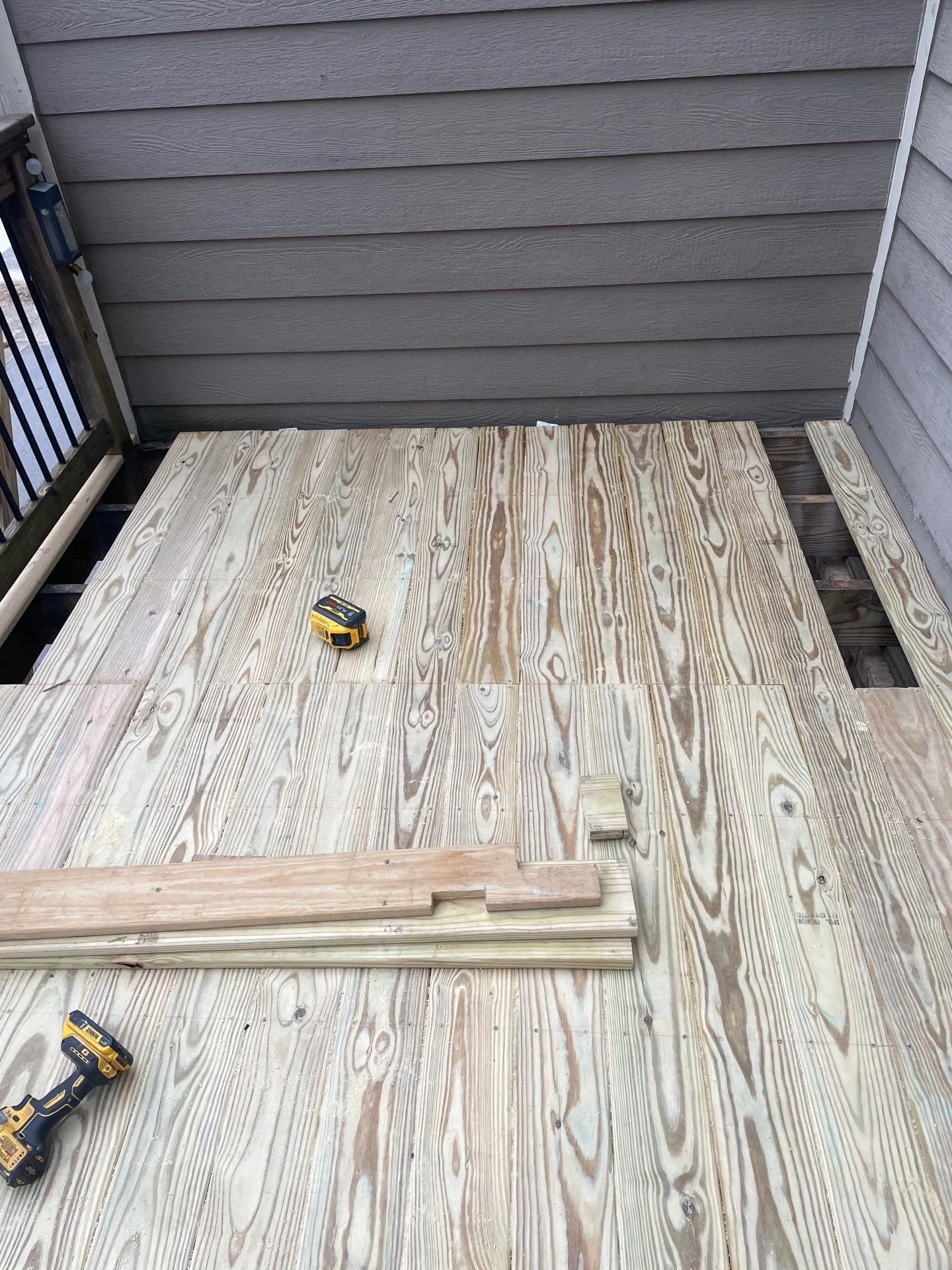
Fig. 1. Replacing damaged board or planks on a Brentwood deck
3. Repairing Wobbly Railings
Wobbly railings can be due to several factors. Before choosing the best repair method, it is important to first identify the root cause of the instability to effectively plan for solutions. Check out the possible reasons why your deck railings are wobbly:
Causes of Wobbly Railings On Deck:
A. Weather Damage
Prolonged exposure to sunlight can weaken your deck structure, loosening deck railing connections. Moisture and humidity can also contribute to unstable railing connections on the deck as wood rot weakens your deck. Strong winds can cause railing movement, which can stress and weaken the railing connections to the deck.
B. Warping
Deck parts can expand or contract as temperature changes, causing the deck parts to warp. When warping worsens, it can loosen significant parts of your deck and its frame connections, making it wobbly and unstable to walk on. Widespread warping of your deck can also be a serious indication of a deeper structural issue that should be inspected and addressed immediately.
C. Damaged Hardware
Rusted and broken hardware at deck frame and railing connections can significantly contribute to wobbly railings. Minor deck damage, such as loose boards, nails, screws, and hardware, may seem harmless at first, but it can lead to bigger problems, including structural issues. Inspect your deck for any early signs of damage and repair them immediately.
How to Repair Wobbly Railings
A. Carefully inspect the wobbly railings to check for any loose hardware, cracks, rust, and wood rot.
B. Re-tighten connections or replace rusty and damaged fasteners. You can also add additional brackets to reinforce the wobbly railings of your deck.
C. Seal any possible entry of water on your deck that can cause corrosion on your deck’s hardware.
4. Treating Minor Rot Before It Spreads
Minor rot begins when your deck is constantly exposed to moisture. When wood traps moisture, it creates a perfect environment for rot to develop. Delaying wood rot treatment not only speeds up the rotting process but also weakens your deck's structural integrity. Here’s a step-by-step guide to treating wood deck rot:
A. Assess how extensive the rot is. If only a few boards are affected, you can change them individually. However, if widespread rot is observed, consider a full deck repair.
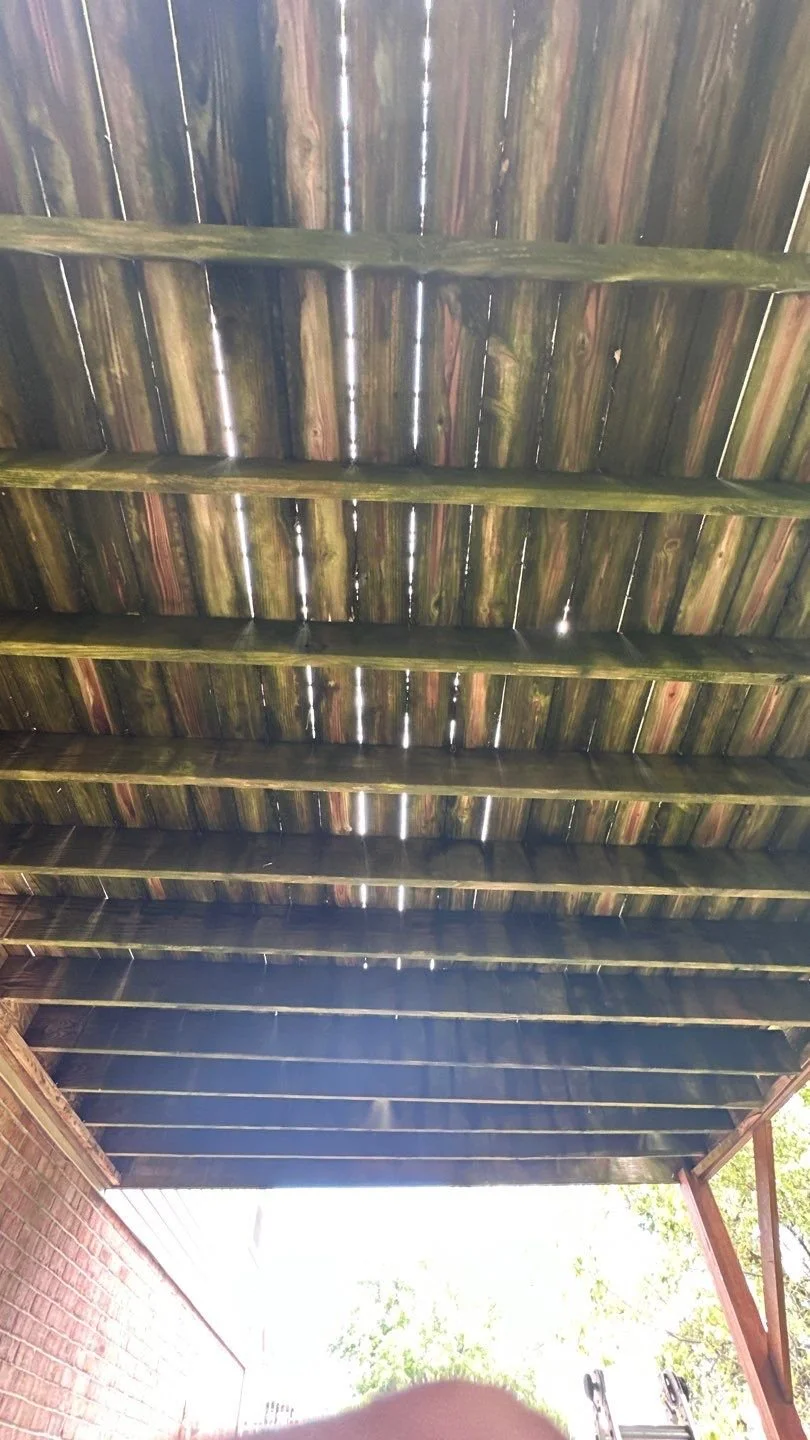
Fig. 2. Widespread rot and mold on a Nashville deck
B. Remove the rot by safely cutting away the rotted portion and damaged parts to ensure that only healthy wood remains on your deck.
C. After you have removed the rotted parts, treat the remaining parts with wood preservatives based on the manufacturer’s instructions to effectively prevent future rot.
D. Replace the affected board or rusted hardware on your deck. Consider re-sealing and re-staining them. Keep your deck protected and up to date as the seasons change by deck re-staining. Applying sealant on the gaps of your wooden deck prevents water absorption during rainy and cold seasons. Experts recommend sealing your deck every 6 to 12 months.
E. Keep your deck maintained regularly. Failing to adapt your deck maintenance routine to seasonal changes can lead to early wear and tear.
5. Signs The Deck Is Beyond Repair
Deck maintenance and repair are effective ways to extend the lifespan of your deck. However, there will come a time when your deck starts to sustain damage. There will be damage so severe that temporary fixes won’t suffice. Here are some of the signs that it’s time to replace your deck:
A. Structural Damage
Inspect your deck for any signs of sagging joists, leaning posts, or compromised ledger connections. When your deck sustains structural damage and poses safety risks to you and your family, the safest solution is a deck replacement.
B. Widespread Rot
Widespread rot can indicate deep moisture damage and decay. If more than 25% of your deck boards are rotted, a full deck replacement is a more cost-effective solution than patching and individual board replacements.
C. Heavy Pest Infestation
Visible pests such as termites, carpenter ants, and bees can severely damage wooden parts, compromising your deck’s integrity and safety.
D. Constant Repairs
If deck issues keep arising and repairing your old deck is becoming more frequent, you may need a full deck rebuild.
E. Beyond Lifespan
If your wooden deck is 15-20 years old, it is likely reaching the end of its lifespan. Deck issues and failure can be due to severe wear and tear. Building a new deck can be your safest solution rather than waiting for your old deck to collapse and fail over time.
If two or more of these signs apply to your deck, a full deck replacement can be your best option. Building a backyard deck can look easy, but it can be challenging for homeowners. Consider the expertise of professional deck builders in Tennessee, such as Modern Handymen and Remodel, to help you plan your dream backyard deck.
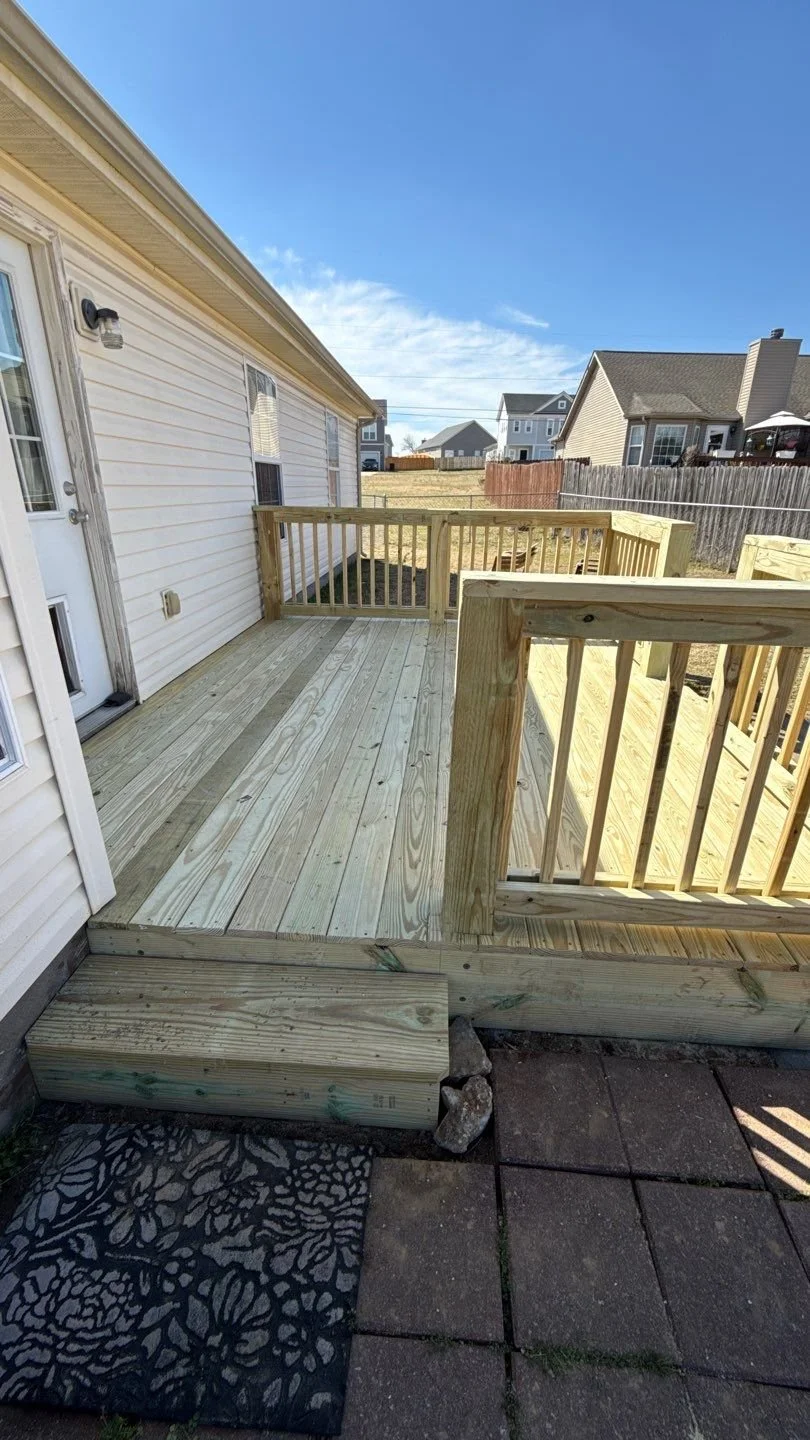
Fig. 3. A full deck replacement by Modern Handymen & Remodel
Your deck should be safe, sturdy, and enjoyable. Let Modern Handymen and Remodel handle the repairs for you. Don’t let small deck problems turn into costly repairs; let our deck experts take a look. Reach out to us out today at 615-200-8071 and let us schedule your deck inspection today!
