
Deck safety ambassadors from the North American Deck and Railing Association highlight that with more than 60 million decks in the U.S. (50m residential and 10m commercial), it is estimated that 30 million decks are past their useful life and need to be replaced or repaired. Homeowners must have their decks inspected to identify any safety hazards and ensure the integrity of their deck structure. It is crucial to know what makes your deck unsafe. Let us explore more about how to effectively spot the safety hazards on your deck:
1. Spotting Rot, Warping, and Cracking
A. Rot
If the wood feels spongy and you can easily press an inch nail or screwdriver into the lumber, this may indicate wood rot. Rotted wood weakens the entire deck structure, exposing you to higher risks of deck collapse and accidents. If your deck is left untreated, rot can destroy its structural integrity. Spot rot earlier before it leads to serious structural issues. Rot compromises your deck’s ability to support weights as it weakens your deck’s structural components, such as beams, posts, joists, and boards. It can lead to serious accidents if not given immediate care and attention.
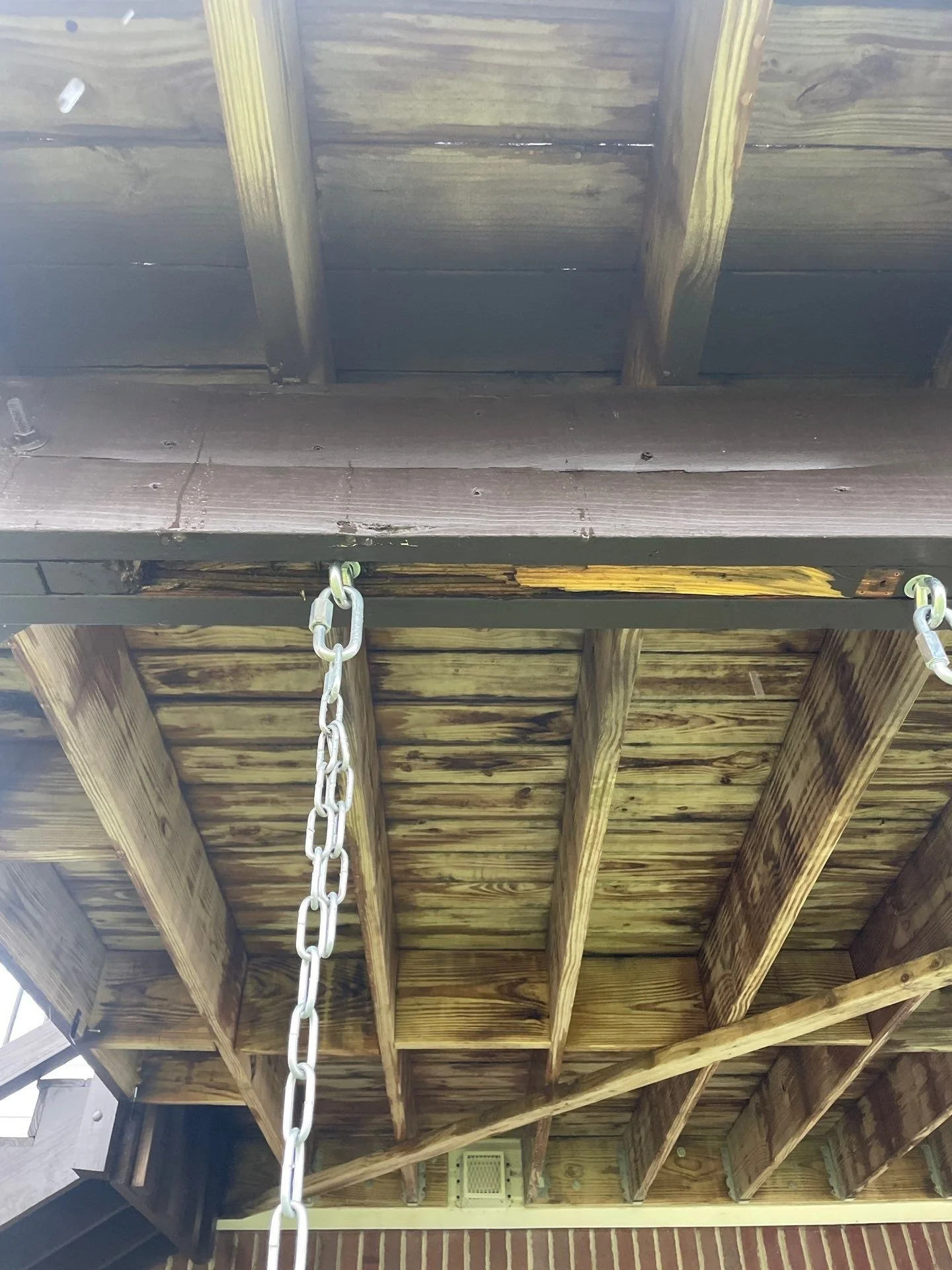
Fig. 1 Rotten deck board in Nashville, TN replaced by Modern Handymen & Remodel
B. Warping
Warping creates an uneven surface on your deck as boards start to twist and bend, posing a trip-and-fall hazard to users. The uneven surface can cause water to pond on your deck, trapping moisture and leading to various forms of moisture damage if left untreated. Proper airflow on your deck can help mitigate moisture buildup and warping. When warping worsens, it can loosen significant parts of your deck and its frame connections, making it wobbly and unstable to walk on. Widespread warping of your deck can also be a serious indication of a deeper structural issue that should be inspected and addressed immediately.
C. Cracking
Many homeowners notice cracks appearing on their decks over time. When decks are exposed to changes in humidity and temperature, certain deck materials, like wooden boards, expand and contract, which can lead to cracking over time. UV rays can also cause the wood to dry out and become brittle, making your boards susceptible to cracking. Cracks make your deck less stable, posing a safety hazard to its users. Even small cracks should be closely monitored, as they can be an early sign of deterioration or severe structural damage.
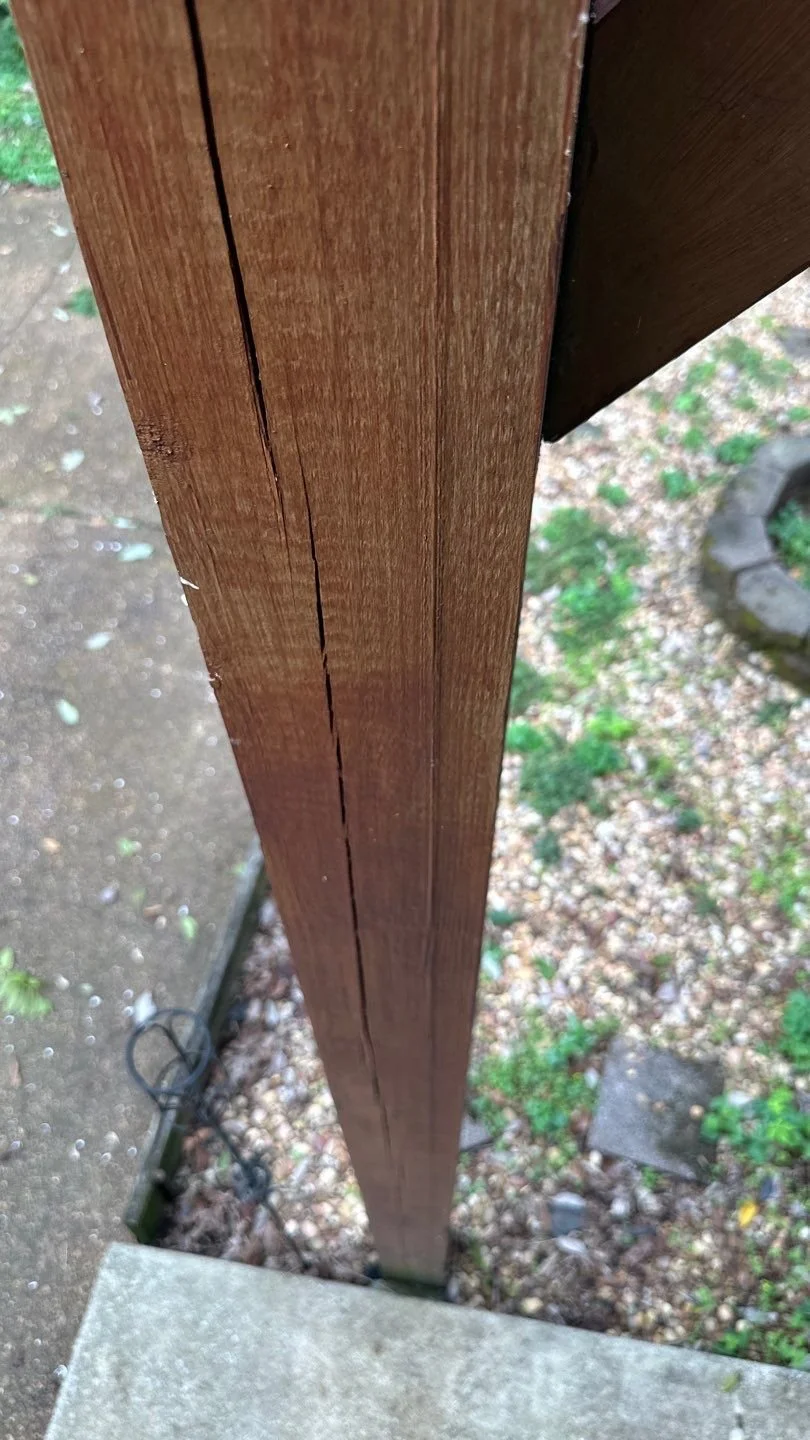
Fig. 2. Observed cracks on a deck post in Nashville, TN replaced by Modern Handymen & Remodel
2. Loose Nails, Screws, and Hardware
Minor deck damage, such as loose boards, nails, screws, and hardware, may seem harmless at first, but it can lead to bigger problems, including structural issues. Inspect your deck for any early signs of damage and repair them immediately. Aside from wear and tear, moisture can also cause hardware to loosen as it rusts. Water can cause wood to dry rot and metal to rust. When wet, fasteners and other metal hardware, such as nails and screws, start to rust. After re-tightening the loosened hardware, seal any possible entry of water on your deck that can cause corrosion on your deck’s hardware.
3. Railing and Stair Stability Checks
Loose connections of railings and stairs can cause instability of your deck. The fasteners can loosen over time due to moisture damage or heavy foot traffic. Loose railings can significantly compromise the safety of your deck, which poses an imminent danger to your family and friends. The railing must be structurally stable to withstand users who lean against it. Railings that move when pushed or leaned on indicate weak connections. Loose railings not only pose a risk for falls and injuries but can also indicate underlying structural problems that cause your railing supports to move. Improper connections can cause your deck to move. Stairs tend to wear faster than other deck parts as they receive the constant heavy foot traffic. Early wear and tear can pose a significant safety hazard to its users. Uneven stair risers can also be a tripping hazard as users expect a uniform rise on the stairs. It is also important that your deck is built with quality workmanship and installed with the right materials to mitigate future safety hazards. While soil settlement can also cause deck instability, expert professionals can help build your deck on stable ground in the first place.
4. Ledger Board Inspection
Inspecting the ledger connections is a major safety point every homeowner should practice. Ledger is a critical safety area as it attaches your deck to the house and transfers its load to your home’s structural framing. A failed ledger board is one of the leading causes of deck collapse. Eliminate this safety hazard with these tips:
A. Ensure the correct size of the ledger board that would precisely attach your deck to your house.
B. Install flashing to prevent water from seeping into the house and causing damage.
C. Check for any signs of rot.
D. Inspect if the lag bolts are complete and securely tightened.
E. Seal the gaps between the deck ledger and your home.
F. If you observed that your deck ledger starts to separate from your home, call a deck professional to safely assess the structure.
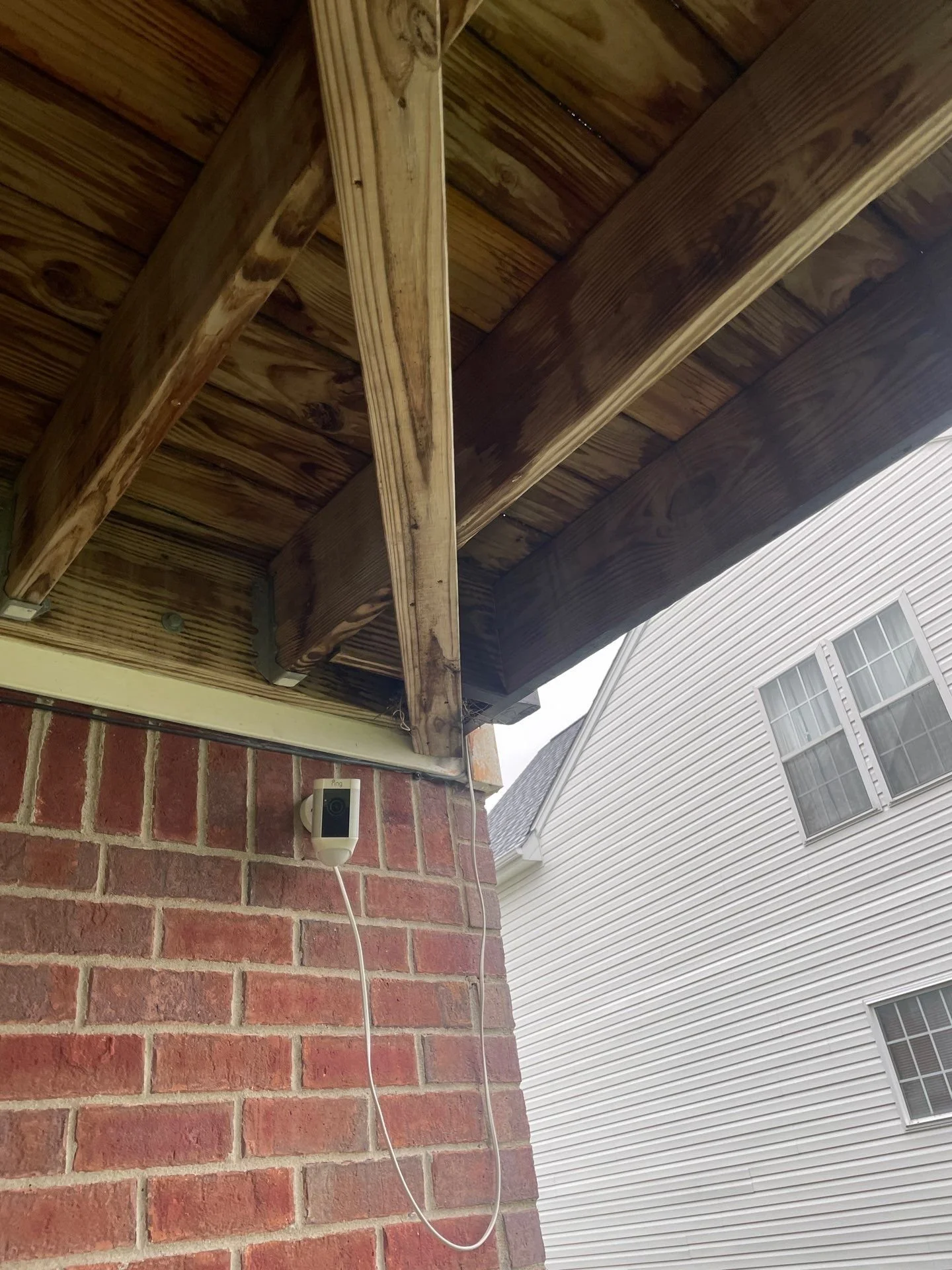
Fig. 3. Ledger inspection of a deck by Modern Handymen & Remodel in Nashville, TN
5. When To Call A Professional
Your deck should be a place to relax and not a safety hazard in your home. Knowing that your deck is safe and secure, you can enjoy your outdoor space with peace of mind. Identify the early warning signs of potential safety hazards on your deck with a professional who can offer solutions to eliminate them. According to the American Society of Home Inspectors (ASHI), detecting life-safety deck deficiencies generally requires specialized knowledge and experience in deck inspection. ASHI suggests that the deck structure should be evaluated by a qualified person, such as a professional engineer with knowledge and expertise in the structural evaluation of potentially unsafe deck parts relative to the loading requirements of the current building code, to determine if the deck is safe in its current condition for future use. If the structure has not been evaluated, the deck should not be occupied until it has been repaired or replaced. More than the visible warning signs that your deck is unsafe, professional inspectors examine all aspects of your deck, including its attachment to the house, structural supports, decking boards, railings, and stairs. A proactive approach to immediately mitigating its risks is carefully considered to keep you and your deck safe.
Modern Handymen & Remodel has a team of professionals who offer expert assessments of your existing deck and deck builders who provide high-quality deck design, construction, repair, and remodeling services in Nashville and Brentwood, TN. Our comprehensive inspection of your deck can help you identify potential hazards, maintain your deck’s integrity, and upgrade your outdoor living area safely for you and your guests. While deck failures can possibly happen, yours doesn’t have to. A professional inspection can help you prevent serious deck-related accidents and injuries in the future. When was the last time your deck was checked? Schedule a safety check today with Modern Handymen & Remodel at 615-200-8071. Deck safety is a homeowner’s responsibility.
