
Composite Deck Maintenance: What’s Different?
Composite decking has been a popular choice for homeowners because of its aesthetic appeal, durability, and low maintenance. Composite decking combines several materials, primarily made of recycled plastic and wood, to resemble the natural beauty of real wood while promoting sustainability. Even though composite decking material is considered low-maintenance, it still requires occasional cleaning. Let us explore the unique features of composite decking and the care it requires.
1. Avoiding Harsh Chemicals
As your composite deck is exposed to the weather and everyday use, dirt can accumulate over time. When cleaning composite decks, avoid harsh chemicals that can damage the materials. Choosing the right, safe products is critical to maintaining your deck’s pristine condition. Use a non-toxic, sodium percarbonate-based cleaner. Harsh chemicals, bleach, or abrasive tools can damage deck surfaces. Use a brush with softer bristles, a low-pressure washer, and Ph-neutral cleaners to protect your deck surfaces from potential damage over time.
Unlike conventional chemical cleaners, eco-friendly cleaning solutions not only clean decks but also protect your personal health, reduce environmental impact, and ensure long-term cost savings. Natural cleaning solutions readily available at home, such as baking soda, vinegar, or lemon juice, can remove dirt and stains while being gentle on your deck materials.
2. Removing Stains from Food, Grease, and Rust
Your deck can be a great venue for outdoor dining and parties. While composite decks are generally stain-resistant, composite materials can still be susceptible to oil and grease stains, which are typically caused by dropped food or drinks. Spilled food and grease on your deck should be cleaned immediately. The longer it takes for you to clean it, the harder ot is to remove the stain. Once spilled drinks or liquid food are left on the deck for too long, rust may develop on some affected metal parts, such as the railing, fasteners, and screws. Here are the recommended steps to clean composite decking for food stains:
A. Wipe off the spilled food using a paper towel or soft cloth.
B. Spray water on the deck using a garden hose to immediately wash away the remaining spilled food.
C. You can mix a tablespoon of detergent into a gallon of water as a cleaner. Safely remove stains on your deck using mild soap or Ph-neutral cleaners, without damaging its surface.
D. Scrub it over on the affected part of the deck using a soft-bristled brush.
E. You can pour your mixed detergent onto the stain directly and leave it there for 15 to 30 minutes to remove the grease. Wipe it off with a sponge after soaking it.
F. You can use a paper towel to sop up the remaining soap and grease on the deck.
G. Rinse your deck using a water hose to remove all traces of loosened grease and soapy water.
3. Preventing Mold in Composite Gaps
Composite decking mimics wood as closely as possible. Grooves and gaps can trap moisture when clogged by debris or small leaves. Regular upkeep prevents moisture accumulation and mold growth. Mold flourishes on decks exposed to humidity and moisture, especially untreated or unsealed areas. Unclog gaps with a putty knife or spatula to clear buildup. Seal the gaps to keep water from penetrating the decking materials. Maintain proper drainage to avoid water pooling, which can promote mold growth. Managing moisture prevents mold, mildew, and algae from spreading.
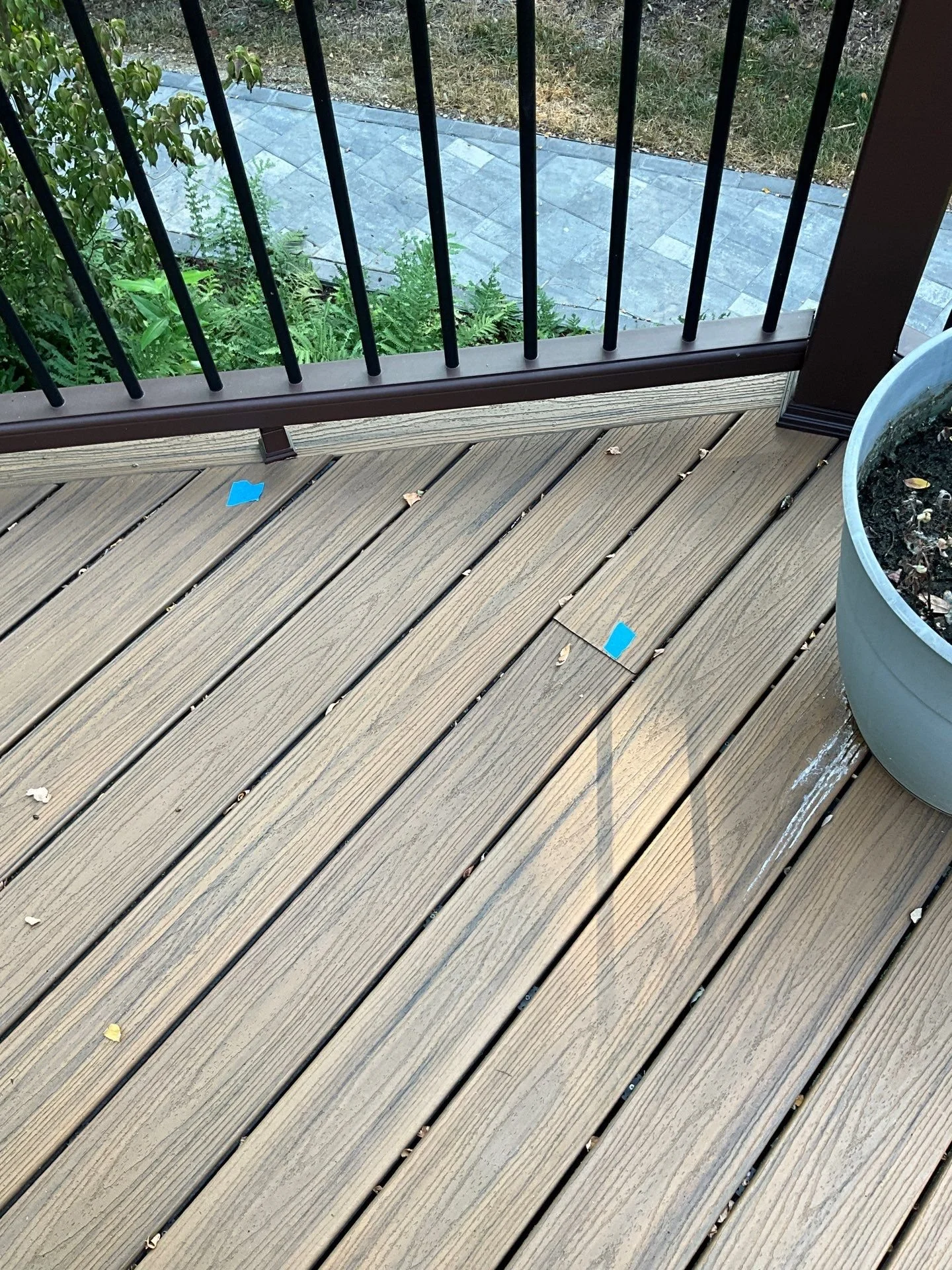
Fig. 1. Clogged gaps of composite decking in Franklin, Tennessee
4. Decking Boards that Require Less Maintenance
When choosing decking materials, most homeowners prioritize appearance and cost, often overlooking maintenance factors. While wood can be the most affordable option, you can save on maintenance costs with other decking materials. Low-maintenance decking materials can have a higher upfront cost, but they save you time and money in the long run. While composite decking materials are known for their great appearance with low-maintenance features, you can have a lot of other low-maintenance options. Here are some other great options for decking boards that offer low-maintenance for your home deck:
A. PVC
PVC, or Polyvinyl chloride, is a fully synthetic material that offers little to no risk of mold, mildew, or insect infestation, as it contains no organic material for them to feed on. It can last for 25 years with minimal maintenance care.
B. Aluminum
Aluminum is an excellent decking material, as it offers strength and durability thanks to its weatherproof properties. It does not rot, warp, crack, or attract insects, requiring less maintenance for homeowners.
Low-maintenance deck materials are the ideal choice for homeowners to upgrade their outdoor living space without the hassle of constant upkeep. Choosing a low-maintenance material can be one of the smartest investments you can make for your home deck.
5. When The Composite Still Needs Professional Care
While a composite deck is known for its low-maintenance features and does not require regular staining or sealing like wood, it still needs professional care to ensure its structural integrity and safety. By regular professional inspections, homeowners can identify issues earlier and manage damages due to wear and tear over the years before they escalate to bigger issues that can possibly require costly repairs. Your deck should be a place to relax and not a safety hazard in your home. Knowing that your deck is safe and secure, you can enjoy your outdoor space with peace of mind. Identify the early warning signs of potential safety hazards on your deck with a professional who can offer solutions to eliminate them. When should you call a professional for your composite deck? Check out the following signs:
A. Loose Nails, Screws, and Hardware
Minor deck issues, such as loose boards, nails, screws, and hardware, may seem trivial but can lead to serious structural problems. Regularly inspect and repair early signs to prevent escalation.
B. Instability of Railings and Stairs
Loose railings and stairs undermine deck stability. Fasteners loosen from moisture or frequent use. Unstable railings pose significant safety risks for your family and guests.
C. Unsafe Ledger Board Installation
Inspect ledger connections regularly as they anchor your deck to the house and transfer its load to your home's frame. A failed ledger board causes deck collapse.
D. Damaged Planks
Replacing damaged planks can refresh and upgrade your outdoor space without the expense or hassle of a full deck rebuild.
Caring for your composite deck is not much of a challenge compared to caring for a wooden deck. However, it should not be taken for granted, especially as it ages and accumulates wear and tear. Let the trusted deck professionals at Modern Handymen & Remodel in Tennessee help you keep your composite deck beautiful and safe. Maintenance costs are less than replacement. Protect your composite deck with occasional maintenance, care, and inspection. Call our deck experts at 615-200-8071 and get your professional deck care today!
